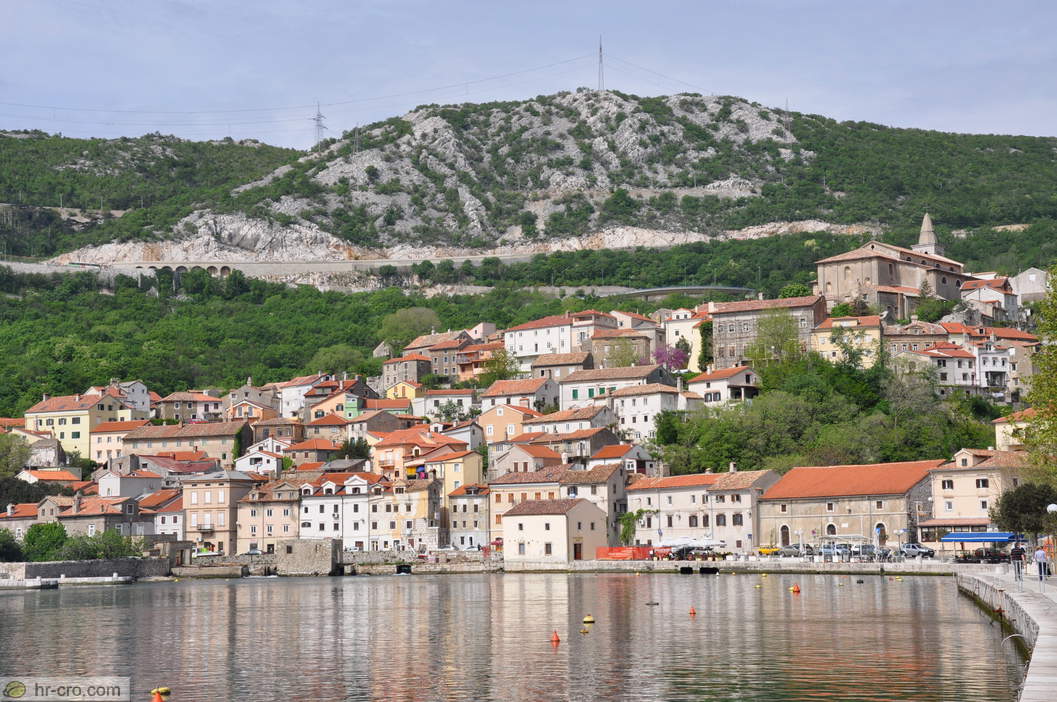
Bakar is a port and picturesque town located on the northern coast of the Adriatic Sea. It lies in the bay of the same name. It is surrounded by hills that reach up to 300 meters above sea level.
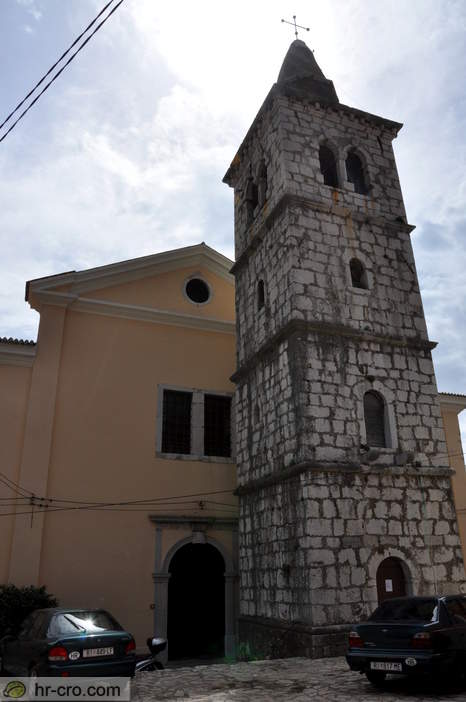
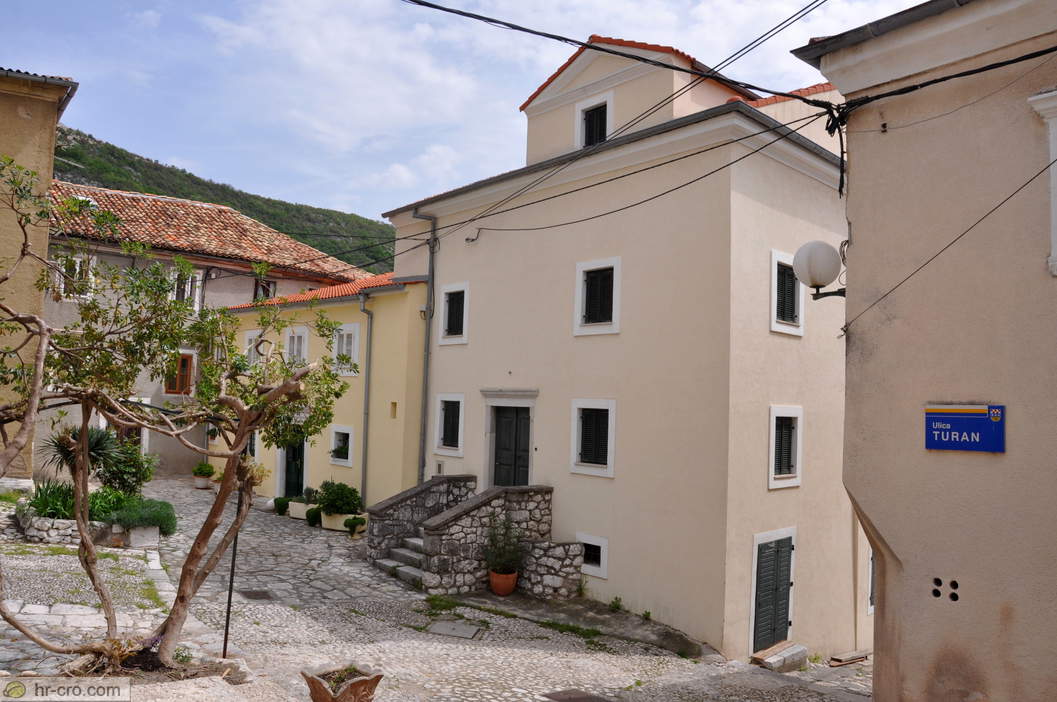
The whole area is rich in sources of drinking water, but it is covered with low vegetation and trees, and the largest part is still occupied by bare rocks. The Adriatic Highway runs just above the city and the city of Rijeka is about 15 kilometers away. The old town of Bakar was declared a cultural monument in 1968. Mediterranean style prevails with narrow and steep streets, stairs and small squares. Bakar was mentioned in written sources in the 13th century. In the 16th century, the Frankopans built a mighty castle with walls to protect themselves from Turkish invasions. The castle was damaged in 1775 by a strong earthquake. Bakar received the status of a free port in 1788, and in 1849 the Maritime School Bakar was founded, which is the oldest vocational school in Croatia. In addition to the medieval fortress - Kastel, Bakar has the following sights: stone walls made of limestone, a Turkish house from the 14th or 15th century, the Church of the Mother of God, the Church of St. Marjeta, a small church of St. Cross from 1764, the Roman house, which is one of the oldest city buildings, the parish church of St. Andrew the Apostle, which is the oldest and largest church in Bakar. The stone walls in Bakar were declared a cultural monument in 1972. There was not enough land in the Bakar area and the inhabitants came up with the idea to build walls and fill the intermediate space with fertile soil.
In this way, they got a favorable terrain for grape production. Bakar is known for the world-famous sparkling wine Bakarska vodica. Terraces made of stone walls are located along the entire Adriatic coast and on the islands, but nowhere else are they as pronounced as in Bakar.
 HR-CRO - Croatia
 RijekaStudio Apartment Iva - Happy Rentals