HR-CRO - Croatia
 MedulinAi Pini Medulin Resort

Pula with neighbourhood



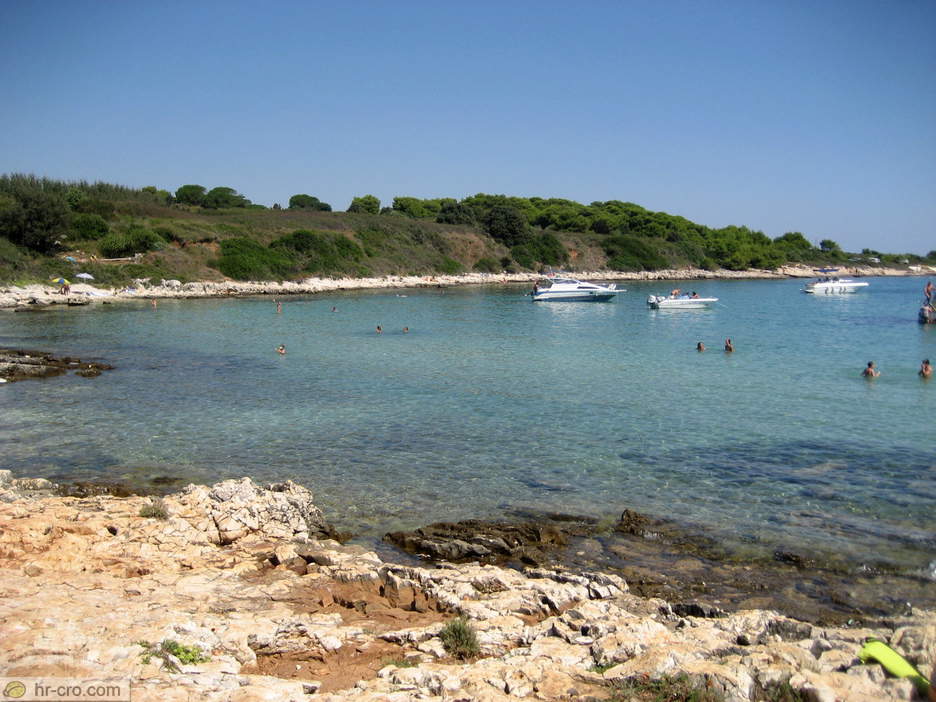
Pula and its surroundings are renowned for their numerous natural and cultural attractions, drawing many domestic and international visitors. Among the most notable are the city of Pula, Cape Kamenjak, Vodnjan, Fažana, Camp Premantura, and Pula Aquarium.
Pula is a coastal city in Croatia, located at the southern tip of the Istrian Peninsula. It is the largest city in the Istria County, known for its tranquil sea, stunning natural landscapes, and mild climate. The city has a long tradition of fishing, winemaking, shipbuilding, transit ports, and tourism. Pula has been the administrative center of Istria since Roman times. The city is rich in cultural and historical monuments, with highlights including the Pula Arena, the Temple of Augustus, the Arch of the Sergii (Golden Gate), the Iron and Glass Market, the City Hall, the Mosaic of the Punishment of Dirce, the Twin Gates and city walls, the Forum, Hercules Gate, the Church and Monastery of St. Francis, the Cathedral of the Assumption of the Blessed Virgin Mary, the Orthodox Church of St. Nicholas, Kastel Fortress, the Archaeological Museum of Istria, the Naval Cemetery, the Small Roman Theatre, the House of Armed Forces, and more.
The Pula Arena is the most famous and significant monument in the city. This magnificent amphitheater was once the site of legendary gladiatorial battles. Built in the 1st century during the reign of Emperor Vespasian, it was constructed around the same time as the world-famous Colosseum in Rome. In addition to its historical landmarks, Pula boasts numerous galleries, the Istrian National Theatre, cinemas, libraries, Pula Aquarium, and more. Exploring Pula’s tourist attractions would not be complete without a stroll through its beautifully preserved parks, each with its unique design and style. Most of these parks were established during the Austro-Hungarian rule. The largest city park is Monte Zaro, with others including Hugues Park, Giardini, the Park beneath the Arena, Naval Park, Franz Joseph Park, the City of Graz Park, Valerija Park, Petar Kresimir IV Park, Tito Park, the Riva, and more.
Cape Kamenjak is located near Premantura, south of Pula. This narrow peninsula, approximately 1.5 km wide and 9.5 km long, has been a protected natural park since 1996. It is home to numerous hidden coves, stunning beaches, and uninhabited islets. Kamenjak is considered one of the most beautiful peninsulas in the Mediterranean. Its unique feature is a rugged 30 km-long coastline, with rocky and sandy beaches and the fascinating underwater Golimbere Cave, located at its southernmost tip. Visitors can swim in crystal-clear waters, visit an Istrian farm, exercise on the trim trail, walk along the educational path, or cycle along the well-maintained coastal route. The park also features a botanical reserve that is home to some of Croatia’s rarest plant species.
Vodnjan is a small town situated about six kilometers from the sea and ten kilometers from Pula, along the main Pula–Rovinj road. While modern tourism is a key economic activity, the town's traditional economy is rooted in agriculture, particularly olive growing and winemaking. Vodnjan shares a similar historical development with other Istrian settlements. The western part of the town has retained its medieval layout, with tightly packed buildings forming a ring around the central square, along with irregular and narrow streets. The main street, which connects the entire eastern part of Vodnjan, leads to the newer part of the settlement. The town's fortress, built around 1300, was demolished in 1808. However, several buildings in Venetian Gothic, Renaissance, and Baroque styles have been preserved. The Church of St. Blaise, built between 1761 and 1808, now stands on the site of an earlier pre-Romanesque church. Its bell tower is separate, a common architectural feature in Istria. The area surrounding Vodnjan is rich in archaeological sites dating from antiquity to the Gothic period.
Fazana is a popular tourist town that was historically a fishing village. Located on the Fazana Channel, about eight kilometers northwest of Pula, it offers a variety of restaurants, cafes, and a small harbor for mooring boats. Fazana is best known as the gateway to Brijuni National Park. The park’s reception and official entrance are located in Fazana, where visitors leave their vehicles before taking a 20-minute boat ride to the Brijuni Islands. In the past, the local economy was based on fishing, orchards, and vineyards, as the area’s flat terrain was ideal for cultivation. The Parish Church of St. Cosmas and Damian dates back to the Gothic period, featuring frescoes by a Renaissance master. The painting The Last Supper was created in 1578 by Juraj Ventura from Zadar. In 1909, remains of a Roman summer villa from the 1st century, decorated with intricate geometric and botanical mosaic patterns, were discovered in Ribnjak Bay near Fažana.
Camp Premantura is situated directly on the sea in Runke Bay, just one kilometer from the village of Premantura, the southernmost settlement on the Istrian Peninsula, and ten kilometers from Pula. Also known as Letoviste Kranjski kamp, the campsite has a three-star rating and is managed by the Vodnik Kranj Holiday Association. Camp Premantura offers various accommodation options, including bungalows for four people, family rooms, caravans with awnings for two or five people, small wooden bungalows, and Treska mobile homes. The resort features a private beach, partially concrete, partially sandy, with some sections made of rocky slabs. Guests can also enjoy nearby picturesque coves, including the famous Cape Kamenjak.
Aquarium Pula is located in the tourist settlement of Verudela, about three kilometers from the city center. Housed in the picturesque Austro-Hungarian fortress of Verudela, built in 1886, the aquarium introduces visitors to the marine life of both the northern and southern Adriatic, as well as tropical marine and freshwater fish, and