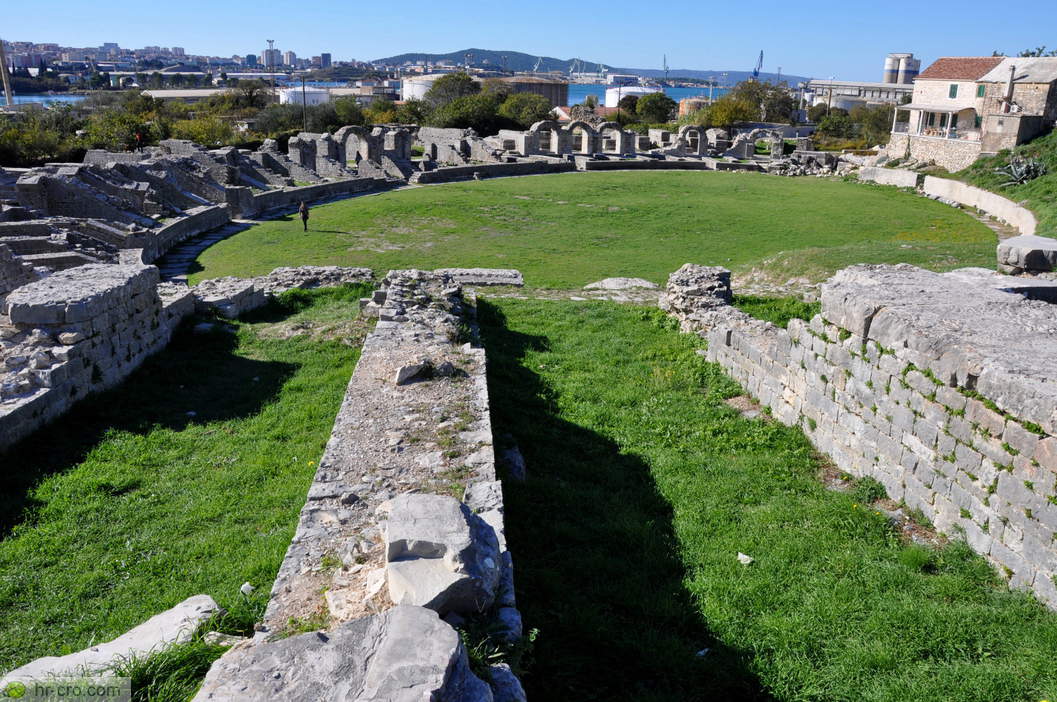
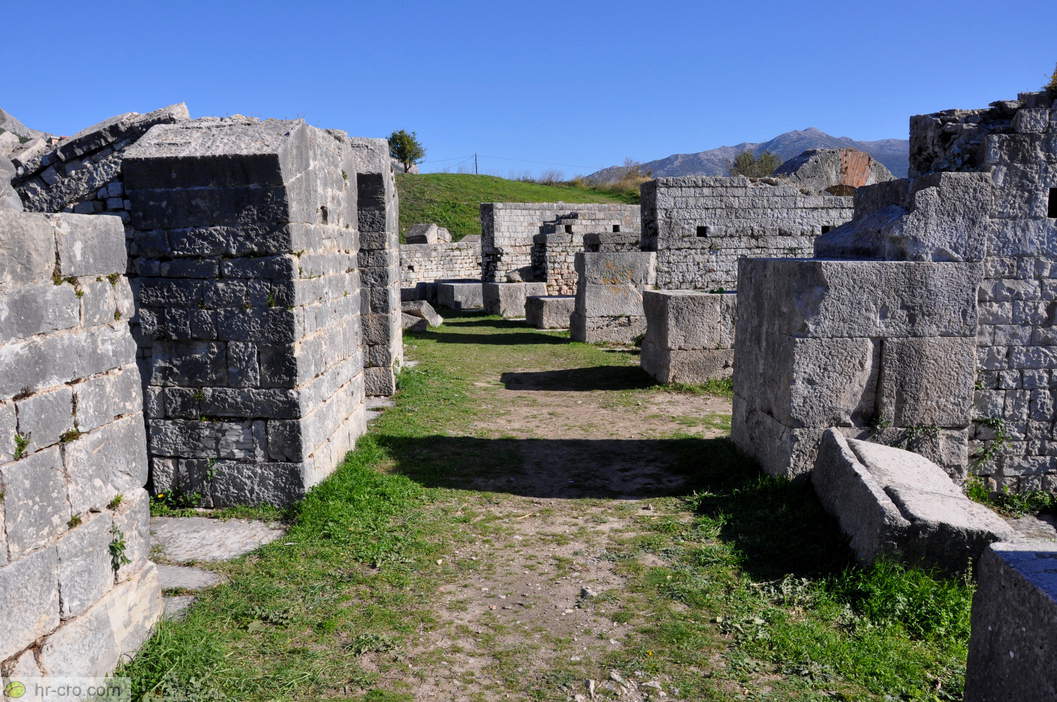
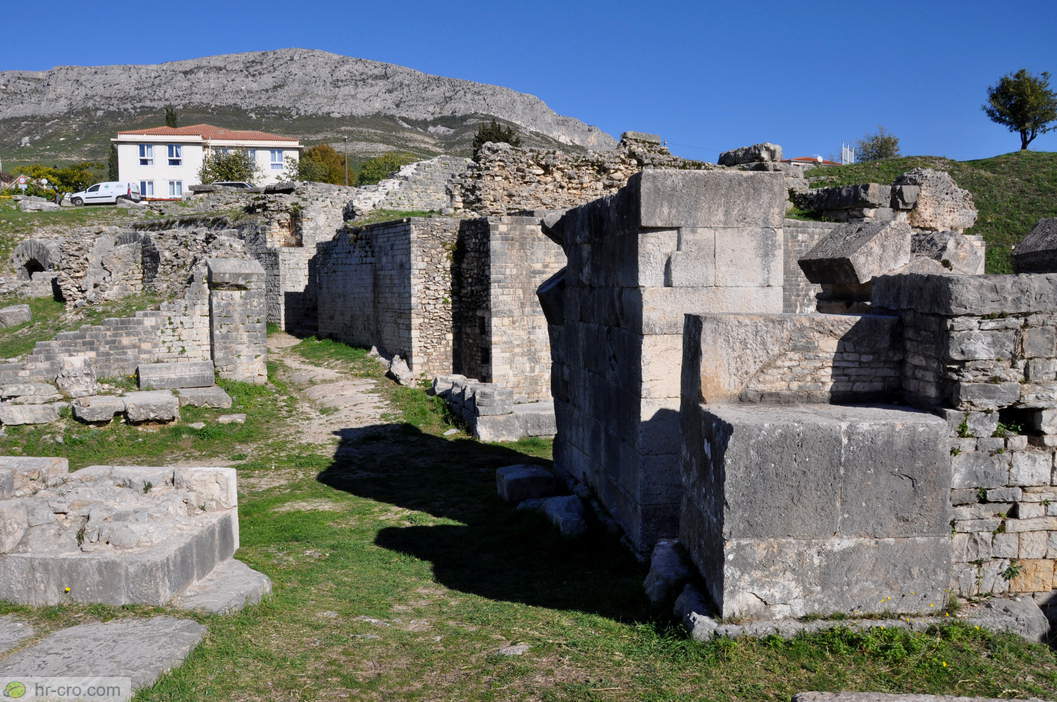
The Amphitheatre of Salona, located near the modern town of Solin in Central Dalmatia, is one of the most remarkable and historically significant Roman structures in the region. Built in the 2nd century AD, it served as a grand venue for public entertainment in Salona, the capital of the Roman province of Dalmatia.
This architectural marvel hosted gladiatorial combat, wild animal hunts, dramatic performances, and other spectacles that captivated the Roman populace. The amphitheatre could accommodate approximately 17,000 spectators, highlighting Salona's importance as a cultural and administrative hub. Its design followed the classic Roman oval blueprint, with tiered seating arranged to reflect the social hierarchy. The uppermost rows were reserved for the lower classes and slaves, while the elite and dignitaries enjoyed prime seating closer to the action in the arena. At the heart of the structure lay the central arena, encircled by high walls that safeguarded spectators from wild beasts and other hazards. Beneath the arena, a network of subterranean chambers provided spaces for gladiators to prepare, stored equipment, and housed exotic animals brought from distant corners of the empire. The amphitheatre was also equipped with advanced drainage systems, ensuring the arena remained functional regardless of weather conditions. Historically, the amphitheatre symbolized the power and sophistication of the Roman Empire and served as a vibrant focal point of Salonitan society. Gladiatorial games, often tied to religious festivals or imperial celebrations, were not only thrilling spectacles but also a reflection of Roman ideals of valor, honor, and entertainment. These events, while brutal, were immensely popular and drew large, enthusiastic crowds. With the fall of the Roman Empire and the arrival of new peoples, Salona gradually lost its prominence. During the medieval period, the amphitheatre suffered significant damage, as its stones were repurposed for other construction projects. Despite this, the ruins endure as a testament to the grandeur of this ancient city. Today, the amphitheatre is part of the Salona Archaeological Park and a cherished cultural landmark.
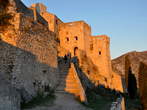
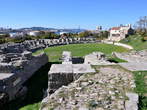
Visitors can wander through its evocative ruins, walk the pathways once trodden by gladiators, and marvel at the ingenuity of Roman engineering. Beyond the amphitheatre, the park features other impressive remnants, such as baths, basilicas, city walls, and tombs, offering a comprehensive glimpse into the life of this once-thriving metropolis. The Amphitheatre of Salona is not merely a relic of the past but a vibrant link to history, inviting visitors to connect with the enduring legacy of the ancient Roman world.
 HR-CRO - Croatia
 SplitCora Hotel