Southern Dalmatia covers the coastal region of the eastern Adriatic, most of which belongs to  Croatia. It is the least populated, narrowest and smallest part of Dalmatia by area. Its main attraction is the picturesque city of
  Dubrovnik.
The region has no true hinterland because its natural hinterland extends into neighbouring Bosnia and Herzegovina, which has an approximately 10-kilometre-wide access to the sea near Neum. Southern Dalmatia includes the narrow coastal strip south of the Neretva River, the Peljesac peninsula and a larger group of islands.
The largest islands are Lastovo, Korcula, the Elafiti Islands and Mljet. Southern Dalmatia ends at the Bay of Kotor on the Prevlaka peninsula and reaches its southernmost point at Cape Ostra. In the 19th century, the Neretva River flowed into the Adriatic Sea through a broad flood delta.
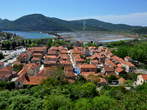
After the Second World War, when regulation of the river was completed, the most fertile agricultural area between South and  Central Dalmatia developed here. In the Dubrovnik Littoral, bays with tourist resorts extend from
  Ston towards Dubrovnik. One of the area's best-known attractions is
  Trsteno Arboretum, with its historic Renaissance garden.
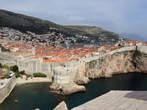
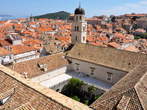
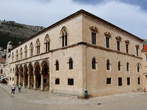
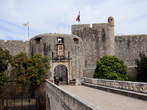
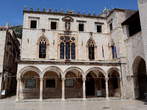
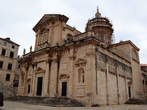
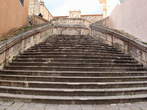
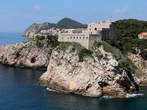
The central attraction of Southern Dalmatia is the historic city of Dubrovnik, which developed into Croatia's most important tourist centre during the 20th century and is known throughout the world. The city has been included on the UNESCO World Heritage List since 1979.
Southeast of Dubrovnik, towards the Bay of Kotor, lies the area of Zupa dubrovacka along Zupa Bay. Pleasant tourist settlements here include Mlini, Cavtat, Plat and Kupari. The Croatian coastal region ends with the fertile agricultural landscape of Konavle.
 HR-CRO - Croatia
 DubrovnikTUI BLUE Kalamota Island - Adults Only