HR-CRO - Croatia
New trips
20. September 2026

 Hotel Kastel Park in
  Crikvenica preserves memories of the former monastery complex’s different occupants.
At the northern edge of the Kastel complex, the park beside the former Pauline monastery continues among old stone walls and greenery. A memorial plaque on one of the walls records that poet and writer Vladimir Nazor worked in this building as director of the children’s home from 1920 to 1930 and wrote literary works here.
The visit can continue at
Crikvenica preserves memories of the former monastery complex’s different occupants.
At the northern edge of the Kastel complex, the park beside the former Pauline monastery continues among old stone walls and greenery. A memorial plaque on one of the walls records that poet and writer Vladimir Nazor worked in this building as director of the children’s home from 1920 to 1930 and wrote literary works here.
The visit can continue at  Hotel Kastel park or
  Baroque Pauline portal, two nearby points in the same part of
20. September 2026
The lapidarium at Kastel is not an enclosed museum but a series of stone monuments distributed around the historic complex.
The Baroque portal of 1737 leads into the former monastery and hotel courtyard. Two ancient stone fragments form its base, while a replica of the Pauline order’s coat of arms stands above it; the original is preserved in the  Crikvenica Town Museum.
Nearby,
Crikvenica Town Museum.
Nearby,  Coat of arms of Austria-Hungary and
  Lapidarium at Hotel Kastel add further interest to a walk through this part of Crikvenica.
Crikvenica Town Museum.
Nearby,  Coat of arms of Austria-Hungary and
  Lapidarium at Hotel Kastel add further interest to a walk through this part of Crikvenica.
20. September 2026
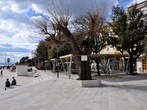
Stjepan Radic Square links the harbour waterfront with the streets and green spaces of central  Crikvenica.
A large old Mediterranean mulberry grows on
Crikvenica.
A large old Mediterranean mulberry grows on  Stjepan Radic Square and is locally known by the diminutive name Murvica. Despite that name, it has an exceptionally broad branching trunk and substantial crown. The tree was retained during reconstruction of the square and surrounded by a stone edge and structural supports, preserving one of the few living elements of the earlier townscape.
Murvica is associated with Malik, a mischievous little being from the oral tradition of the Croatian Littoral. Stories place him inside the
Stjepan Radic Square and is locally known by the diminutive name Murvica. Despite that name, it has an exceptionally broad branching trunk and substantial crown. The tree was retained during reconstruction of the square and surrounded by a stone edge and structural supports, preserving one of the few living elements of the earlier townscape.
Murvica is associated with Malik, a mischievous little being from the oral tradition of the Croatian Littoral. Stories place him inside the
Crikvenica.
A large old Mediterranean mulberry grows on  Stjepan Radic Square and is locally known by the diminutive name Murvica. Despite that name, it has an exceptionally broad branching trunk and substantial crown. The tree was retained during reconstruction of the square and surrounded by a stone edge and structural supports, preserving one of the few living elements of the earlier townscape.
Murvica is associated with Malik, a mischievous little being from the oral tradition of the Croatian Littoral. Stories place him inside the
Stjepan Radic Square and is locally known by the diminutive name Murvica. Despite that name, it has an exceptionally broad branching trunk and substantial crown. The tree was retained during reconstruction of the square and surrounded by a stone edge and structural supports, preserving one of the few living elements of the earlier townscape.
Murvica is associated with Malik, a mischievous little being from the oral tradition of the Croatian Littoral. Stories place him inside the20. September 2026

Strossmayer Promenade combines  Crikvenica’s bathing tradition with its image as a sunny climatic resort.
The sundial is mounted on an upright stone block beside
Crikvenica’s bathing tradition with its image as a sunny climatic resort.
The sundial is mounted on an upright stone block beside  Strossmayer Promenade. Hours and cardinal directions are marked on its pale face, while a metal gnomon casts a shadow across the dial in sunny weather. An inscription below presents the Crikvenica Riviera as one of Europe’s sunnier coastal areas.
The clock is simultaneously a measuring device, a decorative feature and a reminder of Crikvenica’s identity as a resort with a mild climate. It does not display time as directly as a conventional clock: the reading depen
Strossmayer Promenade. Hours and cardinal directions are marked on its pale face, while a metal gnomon casts a shadow across the dial in sunny weather. An inscription below presents the Crikvenica Riviera as one of Europe’s sunnier coastal areas.
The clock is simultaneously a measuring device, a decorative feature and a reminder of Crikvenica’s identity as a resort with a mild climate. It does not display time as directly as a conventional clock: the reading depen
Crikvenica’s bathing tradition with its image as a sunny climatic resort.
The sundial is mounted on an upright stone block beside  Strossmayer Promenade. Hours and cardinal directions are marked on its pale face, while a metal gnomon casts a shadow across the dial in sunny weather. An inscription below presents the Crikvenica Riviera as one of Europe’s sunnier coastal areas.
The clock is simultaneously a measuring device, a decorative feature and a reminder of Crikvenica’s identity as a resort with a mild climate. It does not display time as directly as a conventional clock: the reading depen
Strossmayer Promenade. Hours and cardinal directions are marked on its pale face, while a metal gnomon casts a shadow across the dial in sunny weather. An inscription below presents the Crikvenica Riviera as one of Europe’s sunnier coastal areas.
The clock is simultaneously a measuring device, a decorative feature and a reminder of Crikvenica’s identity as a resort with a mild climate. It does not display time as directly as a conventional clock: the reading depen20. September 2026

The oldest part of  Crikvenica stands at the mouth of the Dubracina, where a natural harbour and settlement came together.
Kastel stands at the mouth of the
Crikvenica stands at the mouth of the Dubracina, where a natural harbour and settlement came together.
Kastel stands at the mouth of the  Dubracina and forms the historic core of Crikvenica. Within a compact area are the Church of the Assumption, the former monastery, a building later adapted as a hotel, its park and a collection of stone monuments. Together they create a setting different in scale and character from the livelier resort centre farther west along the coast.
The complex traces its beginning to 1412. Prince Nikola IV Frankopan had a monastery built beside an older church and donated it to the Pauline orde
Dubracina and forms the historic core of Crikvenica. Within a compact area are the Church of the Assumption, the former monastery, a building later adapted as a hotel, its park and a collection of stone monuments. Together they create a setting different in scale and character from the livelier resort centre farther west along the coast.
The complex traces its beginning to 1412. Prince Nikola IV Frankopan had a monastery built beside an older church and donated it to the Pauline orde
Crikvenica stands at the mouth of the Dubracina, where a natural harbour and settlement came together.
Kastel stands at the mouth of the  Dubracina and forms the historic core of Crikvenica. Within a compact area are the Church of the Assumption, the former monastery, a building later adapted as a hotel, its park and a collection of stone monuments. Together they create a setting different in scale and character from the livelier resort centre farther west along the coast.
The complex traces its beginning to 1412. Prince Nikola IV Frankopan had a monastery built beside an older church and donated it to the Pauline orde
Dubracina and forms the historic core of Crikvenica. Within a compact area are the Church of the Assumption, the former monastery, a building later adapted as a hotel, its park and a collection of stone monuments. Together they create a setting different in scale and character from the livelier resort centre farther west along the coast.
The complex traces its beginning to 1412. Prince Nikola IV Frankopan had a monastery built beside an older church and donated it to the Pauline orde20. September 2026
 Crikvenica is a seaside resort with a compact centre extending between the harbour waterfront and the eastern edge of town. Short distances place its principal sights within walking reach of the transport hub.
Crikvenica Bus Station is at 3 Nike Veljacica Street, on the eastern edge of the town centre and about one hundred metres from the
Crikvenica is a seaside resort with a compact centre extending between the harbour waterfront and the eastern edge of town. Short distances place its principal sights within walking reach of the transport hub.
Crikvenica Bus Station is at 3 Nike Veljacica Street, on the eastern edge of the town centre and about one hundred metres from the  town harbour. The mouth of the Dubracina and
  Croatian Defenders Park – also known as Petak, are also nearby, placing most central sights within walking distance.
The station is the town’s principal road-public-transport hub.
Croatian Defenders Park – also known as Petak, are also nearby, placing most central sights within walking distance.
The station is the town’s principal road-public-transport hub.20. September 2026

In central  Crikvenica, the main square and harbour waterfront meet a series of smaller bathing areas.
Internacional Beach is a small urban bathing section near central Crikvenica and the harbour. Its position beside the promenade makes it easy to reach from
Crikvenica, the main square and harbour waterfront meet a series of smaller bathing areas.
Internacional Beach is a small urban bathing section near central Crikvenica and the harbour. Its position beside the promenade makes it easy to reach from  Stjepan Radic Square and the old town area.
Nearby,
Stjepan Radic Square and the old town area.
Nearby,  Fisherman monument in Crikvenica and
  Crikvenica municipal swimming area add further interest to a walk through this part of Crikvenica.
Crikvenica, the main square and harbour waterfront meet a series of smaller bathing areas.
Internacional Beach is a small urban bathing section near central Crikvenica and the harbour. Its position beside the promenade makes it easy to reach from Stjepan Radic Square and the old town area.
Nearby,  Fisherman monument in Crikvenica and
  Crikvenica municipal swimming area add further interest to a walk through this part of Crikvenica.
20. September 2026
 Crikvenica has a long tradition as a climatic health resort, making systematic weather observation especially important.
The climatological station in the park recalls Crikvenica’s long tradition of recording weather and climate conditions. Such measurements were also important to the town’s development as a climatic health resort.
From here,
Crikvenica has a long tradition as a climatic health resort, making systematic weather observation especially important.
The climatological station in the park recalls Crikvenica’s long tradition of recording weather and climate conditions. Such measurements were also important to the town’s development as a climatic health resort.
From here,  Nikola Car memorial and
  Stjepan Radic Park are easily reached, allowing all three points to be combined in a short town walk.
20. September 2026

Alongside its commemorative role, the Park of the Fallen for the Homeland contains smaller artistic accents.
The fish sculpture stands beside one of the paths in the  Park of the Fallen for the Homeland. Its simple animal motif and green setting make it a playful accent rather than a conventional memorial. It is easy to pass without noticing, yet it adds a pleasant detail to a short walk through the park.
The fish naturally refers to the sea, harbour and long fishing tradition of
Park of the Fallen for the Homeland. Its simple animal motif and green setting make it a playful accent rather than a conventional memorial. It is easy to pass without noticing, yet it adds a pleasant detail to a short walk through the park.
The fish naturally refers to the sea, harbour and long fishing tradition of  Crikvenica. This everyday maritime subject provides a counterpoint to the nearby
 Park of the Fallen for the Homeland. Its simple animal motif and green setting make it a playful accent rather than a conventional memorial. It is easy to pass without noticing, yet it adds a pleasant detail to a short walk through the park.
The fish naturally refers to the sea, harbour and long fishing tradition of Crikvenica. This everyday maritime subject provides a counterpoint to the nearby
Park of the Fallen for the Homeland. Its simple animal motif and green setting make it a playful accent rather than a conventional memorial. It is easy to pass without noticing, yet it adds a pleasant detail to a short walk through the park.
The fish naturally refers to the sea, harbour and long fishing tradition of Crikvenica. This everyday maritime subject provides a counterpoint to the nearby 20. September 2026
The town harbour remains the most distinctly maritime space in the centre of  Crikvenica.
The fisherman monument stands beside the town harbour and recalls Crikvenica’s fishing tradition. The bronze figure with a net faces the boats and the sea and is one of the most recognisable sculptures on the waterfront.
Nearby,
Crikvenica.
The fisherman monument stands beside the town harbour and recalls Crikvenica’s fishing tradition. The bronze figure with a net faces the boats and the sea and is one of the most recognisable sculptures on the waterfront.
Nearby,  Crikvenica town harbour and
  Crikvenica municipal swimming area add further interest to a walk through this part of Crikvenica.
Crikvenica.
The fisherman monument stands beside the town harbour and recalls Crikvenica’s fishing tradition. The bronze figure with a net faces the boats and the sea and is one of the most recognisable sculptures on the waterfront.
Nearby, Crikvenica town harbour and Crikvenica municipal swimming area add further interest to a walk through this part of Crikvenica.20. September 2026

The stone monuments of  Crikvenica’s lapidarium occupy several sites between
  Hotel Kastel, its park and the church.
The stone statue of St John of Nepomuk, patron saint of bridges, was made in 1930 for the old bridge over the Dubracina. Before that bridge was demolished, the statue was moved in late 1937 to its present position by the Kastel courtyard portal and restored in 1988.
The visit can continue at
Hotel Kastel, its park and the church.
The stone statue of St John of Nepomuk, patron saint of bridges, was made in 1930 for the old bridge over the Dubracina. Before that bridge was demolished, the statue was moved in late 1937 to its present position by the Kastel courtyard portal and restored in 1988.
The visit can continue at  Lapidarium at Hotel Kastel or
  Coat of arms of Austria-Hungary, two nearby points in the same part of town.
Crikvenica’s lapidarium occupy several sites between Hotel Kastel, its park and the church.
The stone statue of St John of Nepomuk, patron saint of bridges, was made in 1930 for the old bridge over the Dubracina. Before that bridge was demolished, the statue was moved in late 1937 to its present position by the Kastel courtyard portal and restored in 1988.
The visit can continue at Lapidarium at Hotel Kastel or Coat of arms of Austria-Hungary, two nearby points in the same part of town.20. September 2026
Kastel brings together Crikvenica’s oldest church, its former monastery and buildings later adapted to new uses.
Hotel Kastel occupies much of the former Pauline monastery. After the monastic period the historic building served as a military convalescent home and a children’s home; since 1988 it has operated as a hotel beside the church and the mouth of the Dubracina.
Nearby,  Former Pauline monastery and Lapidarium at Hotel Kastel add further interest to a walk through this part of Crikvenica.
20. September 2026

Historic central  Crikvenica still preserves individual objects connected with earlier everyday work and production.
The tos stands in the paved area of Preradoviceva Street, arranged as a quieter continuation of
Crikvenica still preserves individual objects connected with earlier everyday work and production.
The tos stands in the paved area of Preradoviceva Street, arranged as a quieter continuation of  Stjepan Radic Square. Displayed before a café, it consists of a large upright stone wheel and a smaller stone press element. Its position among restaurant terraces can make it look decorative, but its form comes from the traditional processing of olives.
The word tos, also used in the form toc, denotes a mill or mechanism in which olives were first crushed and the resulting paste then pressed to separate the oil. Heavy
Stjepan Radic Square. Displayed before a café, it consists of a large upright stone wheel and a smaller stone press element. Its position among restaurant terraces can make it look decorative, but its form comes from the traditional processing of olives.
The word tos, also used in the form toc, denotes a mill or mechanism in which olives were first crushed and the resulting paste then pressed to separate the oil. Heavy
Crikvenica still preserves individual objects connected with earlier everyday work and production.
The tos stands in the paved area of Preradoviceva Street, arranged as a quieter continuation of Stjepan Radic Square. Displayed before a café, it consists of a large upright stone wheel and a smaller stone press element. Its position among restaurant terraces can make it look decorative, but its form comes from the traditional processing of olives.
The word tos, also used in the form toc, denotes a mill or mechanism in which olives were first crushed and the resulting paste then pressed to separate the oil. Heavy20. September 2026
Crikvenica developed where the Vinodol valley meets the sea and its watercourse opens into the harbour bay.
The Dubracina is a short river or stream from Vinodol that enters the Adriatic at Crikvenica. Its lower channel now passes through an arranged urban setting, while the historic core, harbour and eastern part of the centre meet at its mouth. This position makes the watercourse more than a natural boundary: it is one of the main axes around which the town developed.
The Dubracina was formerly also known as Vinodolcica. Its course shaped Crikvenica’s fertile field, and deposits at the mouth created shelter for the first harbour. Fragments of prehistoric potter20. September 2026
Crikvenica has a long bathing and sporting tradition that developed directly beside the sea. In its compact centre, the promenade, harbour and waterside sports facilities all lie within a few minutes’ walk.
The Municipal Swimming Area, known in Croatian as Gradsko plivalište, stands beside Strossmayer Promenade where the central waterfront gives way to the Balustrada bathing zone. It is only a short walk from the town harbour, placing this sporting space directly within the everyday life of Crikvenica’s seafront.
This is not a conventional enclosed pool but a swimming field filled natur20. September 2026
Stjepan Radic Park also serves as a place of local historical memory in central Crikvenica.
The memorial to national hero Nikola Car stands in Stjepan Radic Park. The portrait monument is placed among trees and other commemorative landmarks connected with the history of Crikvenica.
Nearby, Crikvenica climatological station and  Statue of Franjo Car and Ivan Sobol add further interest to a walk through this part of Crikvenica.
20. September 2026
West of the harbour, central  Crikvenica takes on a resort character with tree-lined walks, hotels and parks.
Stjepan Radic Park extends along the waterfront west of the town harbour. Statues of notable figures and historic meteorological and climatological measuring points are distributed among its trees and walking paths.
From here,
Crikvenica takes on a resort character with tree-lined walks, hotels and parks.
Stjepan Radic Park extends along the waterfront west of the town harbour. Statues of notable figures and historic meteorological and climatological measuring points are distributed among its trees and walking paths.
From here,  Balustrada Beach and
  Sundial beside the Strossmayer Promenade are easily reached, allowing all three points to be combined in a short town walk.
Separate points present:
Sundial beside the Strossmayer Promenade are easily reached, allowing all three points to be combined in a short town walk.
Separate points present:
Crikvenica takes on a resort character with tree-lined walks, hotels and parks.
Stjepan Radic Park extends along the waterfront west of the town harbour. Statues of notable figures and historic meteorological and climatological measuring points are distributed among its trees and walking paths.
From here,  Balustrada Beach and Sundial beside the Strossmayer Promenade are easily reached, allowing all three points to be combined in a short town walk.
Separate points present:
Balustrada Beach and Sundial beside the Strossmayer Promenade are easily reached, allowing all three points to be combined in a short town walk.
Separate points present: 20. September 2026

South of the old centre,  Crikvenica’s shore continues towards Podvorska and a quieter part of the bay.
Podvorska Marina lies east of the mouth of the Dubracina and is a small sheltered harbour for local and recreational boats. Piers and a breakwater separate it from neighbouring Podvorska Beach, while the coastal promenade runs alongside.
Nearby,
Crikvenica’s shore continues towards Podvorska and a quieter part of the bay.
Podvorska Marina lies east of the mouth of the Dubracina and is a small sheltered harbour for local and recreational boats. Piers and a breakwater separate it from neighbouring Podvorska Beach, while the coastal promenade runs alongside.
Nearby,  Podvorska Beach and
  Kastel Beach add further interest to a walk through this part of Crikvenica.
Crikvenica’s shore continues towards Podvorska and a quieter part of the bay.
Podvorska Marina lies east of the mouth of the Dubracina and is a small sheltered harbour for local and recreational boats. Piers and a breakwater separate it from neighbouring Podvorska Beach, while the coastal promenade runs alongside.
Nearby,  Podvorska Beach and
  Kastel Beach add further interest to a walk through this part of Crikvenica.
20. September 2026
One of the smaller green spaces in  Crikvenica’s old centre lies between the stone
  Kastel complex and the Dubracina.
The park on the northern and western sides of
Kastel complex and the Dubracina.
The park on the northern and western sides of  Hotel Kastel connects the former monastery with the lapidarium and the mouth of the Dubracina. Individual monuments and a memorial to Vladimir Nazor stand among trees, stone walls and paths.
From here,
Hotel Kastel connects the former monastery with the lapidarium and the mouth of the Dubracina. Individual monuments and a memorial to Vladimir Nazor stand among trees, stone walls and paths.
From here,  Baroque Pauline portal and
  Coat of arms of Austria-Hungary are easily reached, allowing all three points to be combined in a short town w
Crikvenica’s old centre lies between the stone Kastel complex and the Dubracina.
The park on the northern and western sides of Hotel Kastel connects the former monastery with the lapidarium and the mouth of the Dubracina. Individual monuments and a memorial to Vladimir Nazor stand among trees, stone walls and paths.
From here, Baroque Pauline portal and Coat of arms of Austria-Hungary are easily reached, allowing all three points to be combined in a short town w20. September 2026

The  Kastel area is a small historic setting in
  Crikvenica between the church, the Dubracina and the town waterfront.
The statue of the Virgin Mary stands outdoors beside the Church of the Assumption. It forms part of Kastel’s religious setting and marks the passage between the churchyard, the bridge over the Dubracina and the waterfront promenade.
From here,
Crikvenica between the church, the Dubracina and the town waterfront.
The statue of the Virgin Mary stands outdoors beside the Church of the Assumption. It forms part of Kastel’s religious setting and marks the passage between the churchyard, the bridge over the Dubracina and the waterfront promenade.
From here,  Dubracina in Crikvenica and
  Church of the Assumption of the Blessed Virgin Mary are easily reached, allowing all three points to be combined in a short town walk.
Kastel area is a small historic setting in Crikvenica between the church, the Dubracina and the town waterfront.
The statue of the Virgin Mary stands outdoors beside the Church of the Assumption. It forms part of Kastel’s religious setting and marks the passage between the churchyard, the bridge over the Dubracina and the waterfront promenade.
From here, Dubracina in Crikvenica and  Church of the Assumption of the Blessed Virgin Mary are easily reached, allowing all three points to be combined in a short town walk.
20. September 2026

Stjepan Radic Square is  Crikvenica’s lively centre, framed by historic buildings and cafés.
Hotel International stands on the north-eastern edge of
Crikvenica’s lively centre, framed by historic buildings and cafés.
Hotel International stands on the north-eastern edge of  Stjepan Radic Square, where its ground-floor premises open directly onto the paved public space. Opened in 1964, its height and long horizontal façade clearly express the post-war phase of Crikvenica’s tourism development.
During the 1970s the International became one of the important venues of the town’s carnival life. At the largest celebrations, three bands could play simultaneously in different rooms and attendance could reach about two thousand people. This explains why local
Stjepan Radic Square, where its ground-floor premises open directly onto the paved public space. Opened in 1964, its height and long horizontal façade clearly express the post-war phase of Crikvenica’s tourism development.
During the 1970s the International became one of the important venues of the town’s carnival life. At the largest celebrations, three bands could play simultaneously in different rooms and attendance could reach about two thousand people. This explains why local
Crikvenica’s lively centre, framed by historic buildings and cafés.
Hotel International stands on the north-eastern edge of Stjepan Radic Square, where its ground-floor premises open directly onto the paved public space. Opened in 1964, its height and long horizontal façade clearly express the post-war phase of Crikvenica’s tourism development.
During the 1970s the International became one of the important venues of the town’s carnival life. At the largest celebrations, three bands could play simultaneously in different rooms and attendance could reach about two thousand people. This explains why local 20. September 2026
 Crikvenica developed its health-resort and bathing identity along the long shore west of the town centre.
The sandy Municipal Beach was laid out in 1901 and received pavilions for bathing services in 1910. Today it is Crikvenica’s principal organised town beach, reached directly from the Strossmayer Promenade.
Nearby,
Crikvenica developed its health-resort and bathing identity along the long shore west of the town centre.
The sandy Municipal Beach was laid out in 1901 and received pavilions for bathing services in 1910. Today it is Crikvenica’s principal organised town beach, reached directly from the Strossmayer Promenade.
Nearby,  Woman with a jug statue and Strossmayer Promenade add further interest to a walk through this part of Crikvenica.
20. September 2026
West of the main square,  Crikvenica opens into its seaside hotel and bathing district.
Strossmayer Promenade is the principal waterfront route west of the town centre. From the
Crikvenica opens into its seaside hotel and bathing district.
Strossmayer Promenade is the principal waterfront route west of the town centre. From the  town harbour it follows the sea past Balustrada and continues towards the larger bathing areas and hotel district. Villas, hotels, cafés and avenues line one side; a stone balustrade, beach coves and broad Kvarner views occupy the other.
The promenade changes character along its length. Near the centre it feels distinctly urban, beside
town harbour it follows the sea past Balustrada and continues towards the larger bathing areas and hotel district. Villas, hotels, cafés and avenues line one side; a stone balustrade, beach coves and broad Kvarner views occupy the other.
The promenade changes character along its length. Near the centre it feels distinctly urban, beside  Balustrada Beach it meets the bathing shore, and farther west it widens beside greener
Crikvenica opens into its seaside hotel and bathing district.
Strossmayer Promenade is the principal waterfront route west of the town centre. From the town harbour it follows the sea past Balustrada and continues towards the larger bathing areas and hotel district. Villas, hotels, cafés and avenues line one side; a stone balustrade, beach coves and broad Kvarner views occupy the other.
The promenade changes character along its length. Near the centre it feels distinctly urban, beside Balustrada Beach it meets the bathing shore, and farther west it widens beside greener20. September 2026
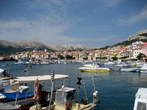
Crikvenica is a seaside town in the  Kvarner, about 35 kilometres south-east of Rijeka. It developed at the mouth of the
  Dubracina, where the Vinodol valley opens towards the sea. The town now forms a compact waterfront settlement: its historic core, harbour, main square, parks and most urban beaches are connected by promenades and lie within walking distance of one another.
The origins of present-day Crikvenica are tied to nearby Kotor and the Frankopan family. In 1412 Prince Nikola IV Frankopan donated a monastery beside the Church of the Assumption to the Pauline monks; the charter contains the oldest known written mention of the name Cri
Dubracina, where the Vinodol valley opens towards the sea. The town now forms a compact waterfront settlement: its historic core, harbour, main square, parks and most urban beaches are connected by promenades and lie within walking distance of one another.
The origins of present-day Crikvenica are tied to nearby Kotor and the Frankopan family. In 1412 Prince Nikola IV Frankopan donated a monastery beside the Church of the Assumption to the Pauline monks; the charter contains the oldest known written mention of the name Cri
 Kvarner, about 35 kilometres south-east of Rijeka. It developed at the mouth of the Dubracina, where the Vinodol valley opens towards the sea. The town now forms a compact waterfront settlement: its historic core, harbour, main square, parks and most urban beaches are connected by promenades and lie within walking distance of one another.
The origins of present-day Crikvenica are tied to nearby Kotor and the Frankopan family. In 1412 Prince Nikola IV Frankopan donated a monastery beside the Church of the Assumption to the Pauline monks; the charter contains the oldest known written mention of the name Cri
Kvarner, about 35 kilometres south-east of Rijeka. It developed at the mouth of the Dubracina, where the Vinodol valley opens towards the sea. The town now forms a compact waterfront settlement: its historic core, harbour, main square, parks and most urban beaches are connected by promenades and lie within walking distance of one another.
The origins of present-day Crikvenica are tied to nearby Kotor and the Frankopan family. In 1412 Prince Nikola IV Frankopan donated a monastery beside the Church of the Assumption to the Pauline monks; the charter contains the oldest known written mention of the name Cri20. September 2026
The area south of the Dubracina mouth in  Crikvenica links historic Kastel with the shore towards Podvorska.
Kastel Beach lies east of the mouth of the Dubracina below the historic Kastel complex. Small pebble and concrete sections line the
Crikvenica links historic Kastel with the shore towards Podvorska.
Kastel Beach lies east of the mouth of the Dubracina below the historic Kastel complex. Small pebble and concrete sections line the  Ivan Mazuranic Promenade and form the transition towards
  Podvorska Marina and Beach.
From here,
Podvorska Marina and Beach.
From here,  Statue of the Virgin Mary at Kastel and
  Church of the Assumption of the Blessed Virgin Mary are easily reached, allowing all three points to be combined in a shor
Crikvenica links historic Kastel with the shore towards Podvorska.
Kastel Beach lies east of the mouth of the Dubracina below the historic Kastel complex. Small pebble and concrete sections line the  Ivan Mazuranic Promenade and form the transition towards Podvorska Marina and Beach.
From here, Statue of the Virgin Mary at Kastel and Church of the Assumption of the Blessed Virgin Mary are easily reached, allowing all three points to be combined in a shor
Ivan Mazuranic Promenade and form the transition towards Podvorska Marina and Beach.
From here, Statue of the Virgin Mary at Kastel and Church of the Assumption of the Blessed Virgin Mary are easily reached, allowing all three points to be combined in a shor20. September 2026

In Stjepan Radic Park, greenery and walking paths are combined with several memorial features.
The statue of Croatian politician Stjepan Radic, after whom the park is named, stands on a stone pedestal between the coastal road and the park paths. The portrait sculpture is one of the park’s central landmarks.
Nearby,  Crikvenica meteorological station and
  Stjepan Radic Park add further interest to a walk through this part of
  Crikvenica.
 Crikvenica meteorological station and Stjepan Radic Park add further interest to a walk through this part of Crikvenica.
20. September 2026
The eastern edge of central  Crikvenica is shaped by the Dubracina and a sequence of small public green spaces.
Croatian Defenders Park occupies the green triangular area at Petak between Frankopanska Street, Ivan Skomerza Street and the Dubracina. Paths, lawns and Malik’s tree form a quiet link between the bus station, river and Kastel.
The visit can continue at
Crikvenica is shaped by the Dubracina and a sequence of small public green spaces.
Croatian Defenders Park occupies the green triangular area at Petak between Frankopanska Street, Ivan Skomerza Street and the Dubracina. Paths, lawns and Malik’s tree form a quiet link between the bus station, river and Kastel.
The visit can continue at  Crikvenica Bus Station or
  Vladimir Nazor memorial, two nearby points in the same part of town.
Crikvenica is shaped by the Dubracina and a sequence of small public green spaces.
Croatian Defenders Park occupies the green triangular area at Petak between Frankopanska Street, Ivan Skomerza Street and the Dubracina. Paths, lawns and Malik’s tree form a quiet link between the bus station, river and Kastel.
The visit can continue at Crikvenica Bus Station or Vladimir Nazor memorial, two nearby points in the same part of town.20. September 2026
Central  Crikvenica faces a sheltered bay that has connected the town with the sea for centuries.
Construction of Crikvenica’s town harbour began in 1870, and the first Lloyd steamships called in 1873. It reached its present length by 1920; regular boat services to Rijeka made an important contribution to the development of tourism.
The visit can continue at
Crikvenica faces a sheltered bay that has connected the town with the sea for centuries.
Construction of Crikvenica’s town harbour began in 1870, and the first Lloyd steamships called in 1873. It reached its present length by 1920; regular boat services to Rijeka made an important contribution to the development of tourism.
The visit can continue at  Crikvenica municipal swimming area or
  Internacional Beach, two nearby points in the same part of town.
Separate points present:
Internacional Beach, two nearby points in the same part of town.
Separate points present:  Town Harbour - Fisherman Monument.
Crikvenica faces a sheltered bay that has connected the town with the sea for centuries.
Construction of Crikvenica’s town harbour began in 1870, and the first Lloyd steamships called in 1873. It reached its present length by 1920; regular boat services to Rijeka made an important contribution to the development of tourism.
The visit can continue at Crikvenica municipal swimming area or Internacional Beach, two nearby points in the same part of town.
Separate points present: Town Harbour - Fisherman Monument.20. September 2026

Several of  Crikvenica’s most recognisable civic buildings stand around Stjepan Radic Square.
The former First Croatian Savings Bank occupies a prominent corner beside
Crikvenica’s most recognisable civic buildings stand around Stjepan Radic Square.
The former First Croatian Savings Bank occupies a prominent corner beside  Stjepan Radic Square. Built in 1925, it belongs to the period when Crikvenica was rapidly developing as a resort and regional centre. FINA uses the building today, but its original purpose remains evident in the representative design of a financial institution.
Its most conspicuous feature is the raised corner section with a clock. A pale stone ground floor supports smoothly rendered upper storeys, stone quoins emphasise the edges, and a balcony with an ornamenta
Stjepan Radic Square. Built in 1925, it belongs to the period when Crikvenica was rapidly developing as a resort and regional centre. FINA uses the building today, but its original purpose remains evident in the representative design of a financial institution.
Its most conspicuous feature is the raised corner section with a clock. A pale stone ground floor supports smoothly rendered upper storeys, stone quoins emphasise the edges, and a balcony with an ornamenta
Crikvenica’s most recognisable civic buildings stand around Stjepan Radic Square.
The former First Croatian Savings Bank occupies a prominent corner beside Stjepan Radic Square. Built in 1925, it belongs to the period when Crikvenica was rapidly developing as a resort and regional centre. FINA uses the building today, but its original purpose remains evident in the representative design of a financial institution.
Its most conspicuous feature is the raised corner section with a clock. A pale stone ground floor supports smoothly rendered upper storeys, stone quoins emphasise the edges, and a balcony with an ornamenta20. September 2026
Crikvenica’s lapidarium brings together architectural fragments and memorials preserved in the Kastel area.
The stone imperial coat of arms was installed after 1895, when Archduke Joseph of Habsburg purchased the former monastery and adapted it as a military health resort. Its crowned shield combines the arms of several kingdoms with the smaller dynastic Habsburg-Lorraine arms.
From here, Lapidarium at Hotel Kastel and Baroque Pauline portal are easily reached, allowing all three points to be combined in a short town walk.20. September 2026
Kastel is Crikvenica’s historic and religious core at the mouth of the Dubracina.
The Church of the Assumption stands beside the former Pauline monastery immediately above the mouth of the Dubracina. It is the oldest surviving church in Crikvenica and together with the monastery building forms the core of Kastel. Its position beside the water and an old river crossing makes clear why the lower settlement began to develop around this site.
In 1412 Nikola IV Frankopan founded a monastery beside the older and then neglected church and entrusted both to the Order of St Paul the First Hermit. The donation charter is also the earliest written so20. September 2026
Strossmayer Promenade is one of the principal seaside walking routes through  Crikvenica’s resort district.
The statue of a woman with a jug stands beside
Crikvenica’s resort district.
The statue of a woman with a jug stands beside  Strossmayer Promenade, between greenery and the seafront path. The calm female figure carrying a vessel is intended to be seen from several sides and acts as a quiet artistic accent among the busier bathing places.
Its water motif connects naturally with the coastal setting, although the sculpture is neither a fountain nor a monumental memorial. Its scale relates to pedestrians and nearby benches, and it is most easily noticed while walking from
Strossmayer Promenade, between greenery and the seafront path. The calm female figure carrying a vessel is intended to be seen from several sides and acts as a quiet artistic accent among the busier bathing places.
Its water motif connects naturally with the coastal setting, although the sculpture is neither a fountain nor a monumental memorial. Its scale relates to pedestrians and nearby benches, and it is most easily noticed while walking from
Crikvenica’s resort district.
The statue of a woman with a jug stands beside Strossmayer Promenade, between greenery and the seafront path. The calm female figure carrying a vessel is intended to be seen from several sides and acts as a quiet artistic accent among the busier bathing places.
Its water motif connects naturally with the coastal setting, although the sculpture is neither a fountain nor a monumental memorial. Its scale relates to pedestrians and nearby benches, and it is most easily noticed while walking from 20. September 2026
The southern part of  Crikvenica shifts from the historic centre to the more open Podvorska shoreline.
Podvorska Beach lies east of the historic centre immediately beside
Crikvenica shifts from the historic centre to the more open Podvorska shoreline.
Podvorska Beach lies east of the historic centre immediately beside  Podvorska Marina. Rather than one straight beach, the shore consists of several small pebble coves, rocky edges and arranged entrances into the sea. Trees just above the water provide natural shade in places, while open sections look across the Kvarner.
The gently shelving pebbles and sheltered coves make Podvorska popular with families, and the coastal path is served by the usual seasonal beach and refreshment facilities. A separate dog beach stands by the marin
Podvorska Marina. Rather than one straight beach, the shore consists of several small pebble coves, rocky edges and arranged entrances into the sea. Trees just above the water provide natural shade in places, while open sections look across the Kvarner.
The gently shelving pebbles and sheltered coves make Podvorska popular with families, and the coastal path is served by the usual seasonal beach and refreshment facilities. A separate dog beach stands by the marin
Crikvenica shifts from the historic centre to the more open Podvorska shoreline.
Podvorska Beach lies east of the historic centre immediately beside Podvorska Marina. Rather than one straight beach, the shore consists of several small pebble coves, rocky edges and arranged entrances into the sea. Trees just above the water provide natural shade in places, while open sections look across the Kvarner.
The gently shelving pebbles and sheltered coves make Podvorska popular with families, and the coastal path is served by the usual seasonal beach and refreshment facilities. A separate dog beach stands by the marin20. September 2026
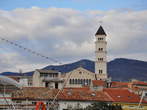
From the waterfront and old Kastel,  Crikvenica rises into residential districts on the hillside.
The Church of St Anthony of Padua stands at 8 Pavla Radića Street slightly above the waterfront centre. A broad outdoor stairway leads to it, while its pale façade and tall bell tower are clearly visible from the surrounding streets and help identify the church during the climb from the centre.
The present church was created in the first half of the twentieth century. Academic sculptor Zvonko Car prepared the concept and architect Viktor Zelinski the architectural design. The foundation stone was laid in 1933; the first Mass was celebrated in the apse in June 1934, an
Crikvenica rises into residential districts on the hillside.
The Church of St Anthony of Padua stands at 8 Pavla Radića Street slightly above the waterfront centre. A broad outdoor stairway leads to it, while its pale façade and tall bell tower are clearly visible from the surrounding streets and help identify the church during the climb from the centre.
The present church was created in the first half of the twentieth century. Academic sculptor Zvonko Car prepared the concept and architect Viktor Zelinski the architectural design. The foundation stone was laid in 1933; the first Mass was celebrated in the apse in June 1934, an
Crikvenica rises into residential districts on the hillside.
The Church of St Anthony of Padua stands at 8 Pavla Radića Street slightly above the waterfront centre. A broad outdoor stairway leads to it, while its pale façade and tall bell tower are clearly visible from the surrounding streets and help identify the church during the climb from the centre.
The present church was created in the first half of the twentieth century. Academic sculptor Zvonko Car prepared the concept and architect Viktor Zelinski the architectural design. The foundation stone was laid in 1933; the first Mass was celebrated in the apse in June 1934, an20. September 2026
Weather, sunshine and the mild coastal climate are central to  Crikvenica’s tourism history.
The meteorological station is a separate measuring point in
Crikvenica’s tourism history.
The meteorological station is a separate measuring point in  Stjepan Radic Park. Its equipment records current weather phenomena, while its position by the sea is characteristic of observations on the Crikvenica coast.
The visit can continue at
Stjepan Radic Park. Its equipment records current weather phenomena, while its position by the sea is characteristic of observations on the Crikvenica coast.
The visit can continue at  Statue of Stjepan Radic or
  Crikvenica climatological station, two nearby points in the same part of town.
Crikvenica’s tourism history.
The meteorological station is a separate measuring point in Stjepan Radic Park. Its equipment records current weather phenomena, while its position by the sea is characteristic of observations on the Crikvenica coast.
The visit can continue at Statue of Stjepan Radic or Crikvenica climatological station, two nearby points in the same part of town.20. September 2026

The Park of the Fallen for the Homeland is a memorial green space beside  Crikvenica’s central waterfront.
The National Liberation War memorial is the principal commemorative feature of the
Crikvenica’s central waterfront.
The National Liberation War memorial is the principal commemorative feature of the  Park of the Fallen for the Homeland. A bronze group of human figures rises from a low stone base among mature trees, so the monument gradually appears while walking through the park. Rough rock beneath the figures reinforces the gravity of the scene and contrasts with the softer green setting.
Plaques bearing the names of the fallen form part of the memorial. They make clear that this is not merely a decorative sculpture but a shared plac
Park of the Fallen for the Homeland. A bronze group of human figures rises from a low stone base among mature trees, so the monument gradually appears while walking through the park. Rough rock beneath the figures reinforces the gravity of the scene and contrasts with the softer green setting.
Plaques bearing the names of the fallen form part of the memorial. They make clear that this is not merely a decorative sculpture but a shared plac
Crikvenica’s central waterfront.
The National Liberation War memorial is the principal commemorative feature of the Park of the Fallen for the Homeland. A bronze group of human figures rises from a low stone base among mature trees, so the monument gradually appears while walking through the park. Rough rock beneath the figures reinforces the gravity of the scene and contrasts with the softer green setting.
Plaques bearing the names of the fallen form part of the memorial. They make clear that this is not merely a decorative sculpture but a shared plac20. September 2026
 Crikvenica grew from a fishing and craft settlement into a health resort, giving its heritage several distinct layers.
The Town Museum occupies the old town hall at 1 Preradovićeva Street in the centre of Crikvenica. It is only a few steps from Stjepan Radic Square, so a visit fits naturally into a walk between the square, harbour and older streets of the town centre.
The institution was founded in 2008 to collect, preserve, document, study and present the heritage of Crikvenica and its surroundings. It is a local museum of a broad interdisciplinary type: rather than concentrating on one historical period, it documents life ac
Crikvenica grew from a fishing and craft settlement into a health resort, giving its heritage several distinct layers.
The Town Museum occupies the old town hall at 1 Preradovićeva Street in the centre of Crikvenica. It is only a few steps from Stjepan Radic Square, so a visit fits naturally into a walk between the square, harbour and older streets of the town centre.
The institution was founded in 2008 to collect, preserve, document, study and present the heritage of Crikvenica and its surroundings. It is a local museum of a broad interdisciplinary type: rather than concentrating on one historical period, it documents life ac20. September 2026
The beginnings of historic  Crikvenica are closely connected with the Pauline monks who settled at the mouth of the Dubracina.
The Pauline monastery was founded in 1412 by Nikola IV Frankopan, who donated it to the order together with the nearby church. After the order was abolished in 1786 the building served several purposes, including administration, a military health resort and the Ladislaus children’s home; today it forms part of Hotel Kastel.
Nearby,
Crikvenica are closely connected with the Pauline monks who settled at the mouth of the Dubracina.
The Pauline monastery was founded in 1412 by Nikola IV Frankopan, who donated it to the order together with the nearby church. After the order was abolished in 1786 the building served several purposes, including administration, a military health resort and the Ladislaus children’s home; today it forms part of Hotel Kastel.
Nearby,  Hotel Kastel and
  Kastel in Crikvenica add further interest to a walk through this part of Crikvenica.
Crikvenica are closely connected with the Pauline monks who settled at the mouth of the Dubracina.
The Pauline monastery was founded in 1412 by Nikola IV Frankopan, who donated it to the order together with the nearby church. After the order was abolished in 1786 the building served several purposes, including administration, a military health resort and the Ladislaus children’s home; today it forms part of Hotel Kastel.
Nearby, Hotel Kastel and Kastel in Crikvenica add further interest to a walk through this part of Crikvenica.20. September 2026
Crikvenica’s main public space lies beside the harbour, where town life meets the waterfront promenade.
Stjepan Radic Square is the principal open space of  Crikvenica and the link between its streets and waterfront. On the seaward side it meets the
  town harbour and the Great Pier; inland it continues into Preradoviceva Street, the Park of the Fallen and the commercial centre. Its level position makes it a natural meeting place and a starting point for walks towards either end of the riviera.
The square gained its present generous form in a major reconstruction completed in 2013. The project followed the winning architectural co
town harbour and the Great Pier; inland it continues into Preradoviceva Street, the Park of the Fallen and the commercial centre. Its level position makes it a natural meeting place and a starting point for walks towards either end of the riviera.
The square gained its present generous form in a major reconstruction completed in 2013. The project followed the winning architectural co
Crikvenica and the link between its streets and waterfront. On the seaward side it meets the town harbour and the Great Pier; inland it continues into Preradoviceva Street, the Park of the Fallen and the commercial centre. Its level position makes it a natural meeting place and a starting point for walks towards either end of the riviera.
The square gained its present generous form in a major reconstruction completed in 2013. The project followed the winning architectural co20. September 2026
Stone traces from several periods of  Crikvenica’s history survive around
  Kastel.
Crikvenica’s lapidarium is a collection of stone monuments within the grounds of Hotel Kastel. It developed informally rather than as a conventional museum collection; the name has been used since the hotel opened in 1986, while most objects from the 17th to 20th centuries stand in the north courtyard, park, atrium and churchyard.
The visit can continue at
Kastel.
Crikvenica’s lapidarium is a collection of stone monuments within the grounds of Hotel Kastel. It developed informally rather than as a conventional museum collection; the name has been used since the hotel opened in 1986, while most objects from the 17th to 20th centuries stand in the north courtyard, park, atrium and churchyard.
The visit can continue at  Hotel Kastel or
  Former Pauline monastery, two nearby points in the same part of town.
Separate points present:
Former Pauline monastery, two nearby points in the same part of town.
Separate points present:
Crikvenica’s history survive around Kastel.
Crikvenica’s lapidarium is a collection of stone monuments within the grounds of Hotel Kastel. It developed informally rather than as a conventional museum collection; the name has been used since the hotel opened in 1986, while most objects from the 17th to 20th centuries stand in the north courtyard, park, atrium and churchyard.
The visit can continue at Hotel Kastel or Former Pauline monastery, two nearby points in the same part of town.
Separate points present: 20. September 2026

The lower  Dubracina separates the old Kastel area from the eastern part of central
  Crikvenica.
The Pauline Bridge crosses the Dubracina immediately before it reaches the sea and links the
Crikvenica.
The Pauline Bridge crosses the Dubracina immediately before it reaches the sea and links the  Kastel area with the eastern part of the town centre. Its three low arches and stone facing make it appear older than it is and allow it to blend visually with the historic setting around the former monastery.
The present road and pedestrian bridge was built in 1938 to a design by engineer Milivoj Frkovic, who designed several stone and brick bridges in Croatia. It stands almost on the site of earlier crossings over the lower st
Kastel area with the eastern part of the town centre. Its three low arches and stone facing make it appear older than it is and allow it to blend visually with the historic setting around the former monastery.
The present road and pedestrian bridge was built in 1938 to a design by engineer Milivoj Frkovic, who designed several stone and brick bridges in Croatia. It stands almost on the site of earlier crossings over the lower st
Dubracina separates the old Kastel area from the eastern part of central Crikvenica.
The Pauline Bridge crosses the Dubracina immediately before it reaches the sea and links the Kastel area with the eastern part of the town centre. Its three low arches and stone facing make it appear older than it is and allow it to blend visually with the historic setting around the former monastery.
The present road and pedestrian bridge was built in 1938 to a design by engineer Milivoj Frkovic, who designed several stone and brick bridges in Croatia. It stands almost on the site of earlier crossings over the lower st20. September 2026
The  Crikvenica waterfront at Kastel links the old town, harbour and mouth of the Dubracina.
Ivan Mazuranic Promenade follows the eastern edge of the town waterfront. It begins beside the
Crikvenica waterfront at Kastel links the old town, harbour and mouth of the Dubracina.
Ivan Mazuranic Promenade follows the eastern edge of the town waterfront. It begins beside the  Dubracina and the bridge at Kastel, then continues past the old religious centre towards the beaches at Podvorska. Within a short distance, views alternate between the harbour, river mouth, church tower and open sea.
The most distinctive section is beside
Dubracina and the bridge at Kastel, then continues past the old religious centre towards the beaches at Podvorska. Within a short distance, views alternate between the harbour, river mouth, church tower and open sea.
The most distinctive section is beside  Kastel. Steps and crossings connect the waterfront with the
  Church of the Assumption, the former Pauline monastery and the
Crikvenica waterfront at Kastel links the old town, harbour and mouth of the Dubracina.
Ivan Mazuranic Promenade follows the eastern edge of the town waterfront. It begins beside the Dubracina and the bridge at Kastel, then continues past the old religious centre towards the beaches at Podvorska. Within a short distance, views alternate between the harbour, river mouth, church tower and open sea.
The most distinctive section is beside Kastel. Steps and crossings connect the waterfront with the Church of the Assumption, the former Pauline monastery and the 20. September 2026
The western  Crikvenica coast forms an almost continuous sequence of promenades and bathing areas.
Balustrada Beach lies along the central seafront promenade between the town harbour and the Municipal Beach. Pebble and paved sections follow one another below the characteristic balustrade; the beach received a Blue Flag in 2007.
The visit can continue at
Crikvenica coast forms an almost continuous sequence of promenades and bathing areas.
Balustrada Beach lies along the central seafront promenade between the town harbour and the Municipal Beach. Pebble and paved sections follow one another below the characteristic balustrade; the beach received a Blue Flag in 2007.
The visit can continue at  Statue of Stjepan Radic or
  Sundial beside the Strossmayer Promenade, two nearby points in the same part of town.
Crikvenica coast forms an almost continuous sequence of promenades and bathing areas.
Balustrada Beach lies along the central seafront promenade between the town harbour and the Municipal Beach. Pebble and paved sections follow one another below the characteristic balustrade; the beach received a Blue Flag in 2007.
The visit can continue at Statue of Stjepan Radic or Sundial beside the Strossmayer Promenade, two nearby points in the same part of town.20. September 2026
 Crikvenica is a distinctly maritime town whose history is closely tied to fishing and life on the Adriatic. Its compact centre developed between the harbour and the river mouth, while the coast continues through a sequence of promenades, parks and bathing areas. Short distances make it possible to combine most central sights in a walk.
The aquarium stands in the town centre at 8 Vinodolska Street. It is only a short walk from Stjepan Radic Square, and its entrance with a distinctive illuminated sign opens directly onto the town street.
Thirty tanks designed to evoke natural habitats occupy slightly more than 200 square metres.
Crikvenica is a distinctly maritime town whose history is closely tied to fishing and life on the Adriatic. Its compact centre developed between the harbour and the river mouth, while the coast continues through a sequence of promenades, parks and bathing areas. Short distances make it possible to combine most central sights in a walk.
The aquarium stands in the town centre at 8 Vinodolska Street. It is only a short walk from Stjepan Radic Square, and its entrance with a distinctive illuminated sign opens directly onto the town street.
Thirty tanks designed to evoke natural habitats occupy slightly more than 200 square metres.20. September 2026
Stjepan Radic Park is the principal green link between  Crikvenica’s main square and waterfront promenade.
The group sculpture of Franjo Car and Ivan Sobol stands beside a path in Stjepan Radic Park. It recalls two figures connected with the cultural and public life of Crikvenica.
The visit can continue at
Crikvenica’s main square and waterfront promenade.
The group sculpture of Franjo Car and Ivan Sobol stands beside a path in Stjepan Radic Park. It recalls two figures connected with the cultural and public life of Crikvenica.
The visit can continue at  Nikola Car memorial or
  Stjepan Radic Park, two nearby points in the same part of town.
Crikvenica’s main square and waterfront promenade.
The group sculpture of Franjo Car and Ivan Sobol stands beside a path in Stjepan Radic Park. It recalls two figures connected with the cultural and public life of Crikvenica.
The visit can continue at Nikola Car memorial or Stjepan Radic Park, two nearby points in the same part of town.20. September 2026
Between the harbour and the Dubracina, the  Crikvenica waterfront combines a square, walking routes and small urban parks.
The Park of the Fallen for the Homeland lies between
Crikvenica waterfront combines a square, walking routes and small urban parks.
The Park of the Fallen for the Homeland lies between  Stjepan Radic Square, the harbour waterfront and Petak. Tall pines and other mature trees make it a shaded green retreat from the open town square, while it remains part of the everyday walking route through the centre. Broad gravel paths cross the park among flower beds, benches and a small pavilion.
The park’s name reflects its commemorative role. Among the trees stands the
Stjepan Radic Square, the harbour waterfront and Petak. Tall pines and other mature trees make it a shaded green retreat from the open town square, while it remains part of the everyday walking route through the centre. Broad gravel paths cross the park among flower beds, benches and a small pavilion.
The park’s name reflects its commemorative role. Among the trees stands the  National Liberation War memorial, with
Crikvenica waterfront combines a square, walking routes and small urban parks.
The Park of the Fallen for the Homeland lies between Stjepan Radic Square, the harbour waterfront and Petak. Tall pines and other mature trees make it a shaded green retreat from the open town square, while it remains part of the everyday walking route through the centre. Broad gravel paths cross the park among flower beds, benches and a small pavilion.
The park’s name reflects its commemorative role. Among the trees stands the National Liberation War memorial, with 20. September 2026

Stjepan Radic Square is central  Crikvenica’s main meeting place and a popular starting point for a waterfront walk.
The large red heart on
Crikvenica’s main meeting place and a popular starting point for a waterfront walk.
The large red heart on  Stjepan Radic Square is a contemporary photo point and a symbol of the In Love in Crikvenica project. Its central opening acts as a frame: depending on direction, it captures the town façades, trees on the square, harbour or sunset over the sea.
The sculpture developed from the Crikvenica Kissing Map, which in 2015 linked ten romantic locations in Crikvenica, Dramalj, Jadranovo and Selce. Individual places received “This is a good kissing spot” signs, while the larger hearts later turned th
Stjepan Radic Square is a contemporary photo point and a symbol of the In Love in Crikvenica project. Its central opening acts as a frame: depending on direction, it captures the town façades, trees on the square, harbour or sunset over the sea.
The sculpture developed from the Crikvenica Kissing Map, which in 2015 linked ten romantic locations in Crikvenica, Dramalj, Jadranovo and Selce. Individual places received “This is a good kissing spot” signs, while the larger hearts later turned th
Crikvenica’s main meeting place and a popular starting point for a waterfront walk.
The large red heart on Stjepan Radic Square is a contemporary photo point and a symbol of the In Love in Crikvenica project. Its central opening acts as a frame: depending on direction, it captures the town façades, trees on the square, harbour or sunset over the sea.
The sculpture developed from the Crikvenica Kissing Map, which in 2015 linked ten romantic locations in Crikvenica, Dramalj, Jadranovo and Selce. Individual places received “This is a good kissing spot” signs, while the larger hearts later turned th14. September 2026
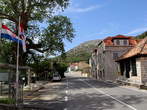
Trsteno is a green coastal village about 20 kilometres northwest of  Dubrovnik. It stretches between karst slopes and the sea, with stone houses, village lanes and exceptionally old trees lining the main Adriatic road.
The village's best-known attraction is
Dubrovnik. It stretches between karst slopes and the sea, with stone houses, village lanes and exceptionally old trees lining the main Adriatic road.
The village's best-known attraction is  Trsteno Arboretum, the historic estate of the Gučetić-Gozze family with a Renaissance and Baroque garden. Nearby stand the
  parish Church of St Vitus, two monumental
  plane trees of Trsteno and the
  memorial to King Tomislav.
Paths descend from the upper village through lush Mediterran
memorial to King Tomislav.
Paths descend from the upper village through lush Mediterran
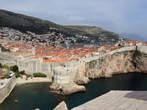 Dubrovnik. It stretches between karst slopes and the sea, with stone houses, village lanes and exceptionally old trees lining the main Adriatic road.
The village's best-known attraction is
Dubrovnik. It stretches between karst slopes and the sea, with stone houses, village lanes and exceptionally old trees lining the main Adriatic road.
The village's best-known attraction is  Trsteno Arboretum, the historic estate of the Gučetić-Gozze family with a Renaissance and Baroque garden. Nearby stand the
  parish Church of St Vitus, two monumental
 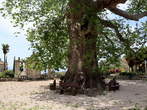 plane trees of Trsteno and the
  memorial to King Tomislav.
Paths descend from the upper village through lush Mediterran
memorial to King Tomislav.
Paths descend from the upper village through lush Mediterran14. September 2026

A walk through  Trsteno Arboretum in
  Trsteno leads from the formal gardens into a cooler part of the estate shaped by water. Lush vegetation, stone channels and pools create a distinctly different atmosphere here.
Neptune Fountain was erected in 1736 at the end of the garden's main Baroque axis. Water reaches it through an
Trsteno leads from the formal gardens into a cooler part of the estate shaped by water. Lush vegetation, stone channels and pools create a distinctly different atmosphere here.
Neptune Fountain was erected in 1736 at the end of the garden's main Baroque axis. Water reaches it through an  aqueduct with 14 arches, making a large pool possible in the otherwise dry karst landscape.
The fountain combines an artificial stone grotto with a central statue of Neptune, two nymphs, further mythological figures and dolphins. Its water, lilies and dense greenery create one of the most rec
aqueduct with 14 arches, making a large pool possible in the otherwise dry karst landscape.
The fountain combines an artificial stone grotto with a central statue of Neptune, two nymphs, further mythological figures and dolphins. Its water, lilies and dense greenery create one of the most rec
Trsteno Arboretum in Trsteno leads from the formal gardens into a cooler part of the estate shaped by water. Lush vegetation, stone channels and pools create a distinctly different atmosphere here.
Neptune Fountain was erected in 1736 at the end of the garden's main Baroque axis. Water reaches it through an  aqueduct with 14 arches, making a large pool possible in the otherwise dry karst landscape.
The fountain combines an artificial stone grotto with a central statue of Neptune, two nymphs, further mythological figures and dolphins. Its water, lilies and dense greenery create one of the most rec
aqueduct with 14 arches, making a large pool possible in the otherwise dry karst landscape.
The fountain combines an artificial stone grotto with a central statue of Neptune, two nymphs, further mythological figures and dolphins. Its water, lilies and dense greenery create one of the most rec14. September 2026

The Church of St Jerome and the Franciscan monastery stand south of central Slano in a prominent position above the bay. After acquiring the Dubrovnik Littoral in 1399, the Republic of Dubrovnik permitted Bosnian Franciscans to build a monastery. The first church was completed in 1420, while the present church was erected on its foundations in the 16th century.
The simple stone façade is distinguished by a rose window and a relief above the portal. The bright interior contains a main altar and side altars, and a lapidarium also forms part of the monastery complex. The site is one of Slano's notable cultural and historical landmarks.