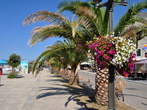
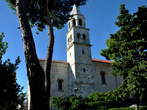
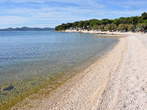
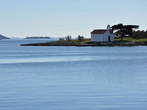
Biograd na Moru is a coastal town in northern Dalmatia, Croatia, administratively part of Zadar County. It is located on the Pasman Channel, approximately 30 kilometres south of Zadar, and, thanks to its rich history, maritime tradition, and well-developed tourism, is one of the most important tourist destinations on the Croatian coast.
The town has a rich cultural and historical heritage, complemented not only by its churches and museum but also by numerous monuments. These monuments are an important part of the town's identity, preserving the memory of historical events, notable figures, and values such as peace, freedom, and the strong connection with the sea. The Obalac Monument, created by Croatian sculptor Ante Brcic, stands along the town's waterfront. With its modern artistic design, it symbolizes the town's close relationship with the sea and life on the Adriatic coast. The monument pays tribute to Biograd's maritime tradition, its fishermen, sailors, and all those whose lives have long been connected with the sea. Due to its prominent location on the promenade, it has become one of the recognizable symbols of the town's waterfront. Other important monuments include the Monument War of Independence, the Peace Monument, the Monument to King Tomislav, and the Monument to Pope Saint John Paul II. The Monument War of Independence is located on King Tomislav Square and is dedicated to all Croatian defenders and the victims of the Independence War during the 1990s. It represents a symbol of remembrance, gratitude, and respect for those who participated in the defence of the homeland and is an important reminder of Biograd's recent history. The Peace Monument is dedicated to the victims of Hiroshima and to all victims of wars around the world. Its central motif, the crane, symbolizes peace, hope, and the desire for a world without violence. It reminds visitors of the importance of preserving peace and the tragic consequences of war. The Monument to the Croatian King Tomislav stands at the beginning of the town's waterfront. It takes the form of an obelisk and was created based on an earlier monument erected in 1925 to commemorate the thousandth anniversary of King Tomislav's coronation. Through its symbolism, it honours an important period of Croatian history and the country's first king. Also located along the waterfront is the Monument to Pope Saint John Paul II, who had close ties with Croatia and its people. During his pontificate, he visited the country three times, and he is remembered above all for his efforts to promote peace, reconciliation, and support during difficult periods of Croatian history.
The monuments of Biograd na Moru are not merely artistic features of the urban landscape but important bearers of the town's historical memory and cultural identity. Together with its churches, museum, and other attractions, they offer visitors a deeper understanding of Biograd's rich past and its enduring connection with the sea and maritime tradition.
 HR-CRO - Croatia
 Biograd na MoruApartments Angie