HR-CRO - Croatia
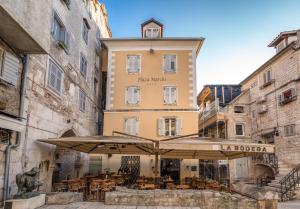 SplitRooms by the sea Split - 18081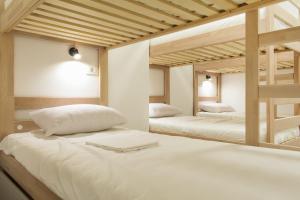
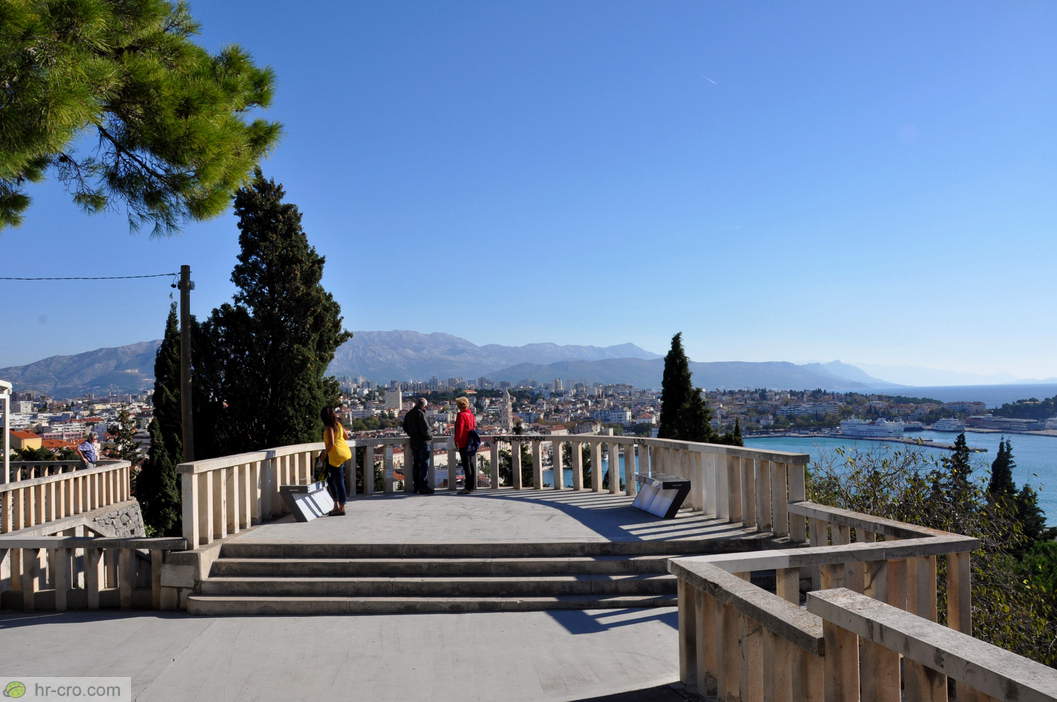
Marjan Forest Park - Viewpoint 
Prva vidilica
Where is Viewpoint?
Most Beautiful Trips

Diocletian's Palace was added to the UNESCO World Heritage List in 1979. It is one of the best-preserved monuments of Roman architecture in the world. The emperor's palace was built between 295 and 305 as a combination of a luxurious villa and a Roman military camp. Diocletian's Palace was divided into four parts by two main streets. The southern part of the palace was intended for the emperor, w
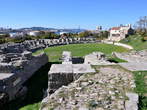
Salona is a historically rich archaeological site and ancient Roman city near the present-day Dalmatian town of Solin, located just a few kilometers northeast of Split. Founded in the 3rd century BCE and destroyed in the 7th century CE, Salona was once the capital of the Roman province of Dalmatia and is now one of Croatia’s largest and most important archaeological sites, showcasing a wealth of h
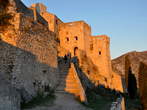
Fortress Klis is one of Croatia’s most significant historical fortifications, majestically perched on a rugged ridge above the village of Klis, about 13 kilometers northeast of Split. Its strategic location between the Dinaric Alps and the Dalmatian coast made it a vital defensive stronghold for centuries. Renowned for its rich and dynamic history, the fortress traces its origins back to the Illy
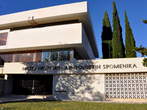
Split is the largest city in Dalmatia, located on the coast of the Adriatic Sea, on a peninsula between Kastela Bay and the Split Channel. It is the economic, cultural, and tourist center of Dalmatia. Thanks to its rich history, pleasant Mediterranean climate, and numerous attractions, Split is one of the most popular tourist destinations in Croatia. The city is best known for the famous Diocleti

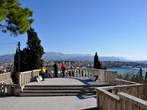

Kastelet Beach is a popular gravel beach in Split, located southwest of the city center, at the foot of Marjan Hill. Due to its location, it is popular among both locals and tourists, especially among young people, recreationalists, and families. The beach is known for its clean, crystal-clear sea, relaxed atmosphere, and beautiful view of the vast Adriatic Sea and the islands visible in the dis