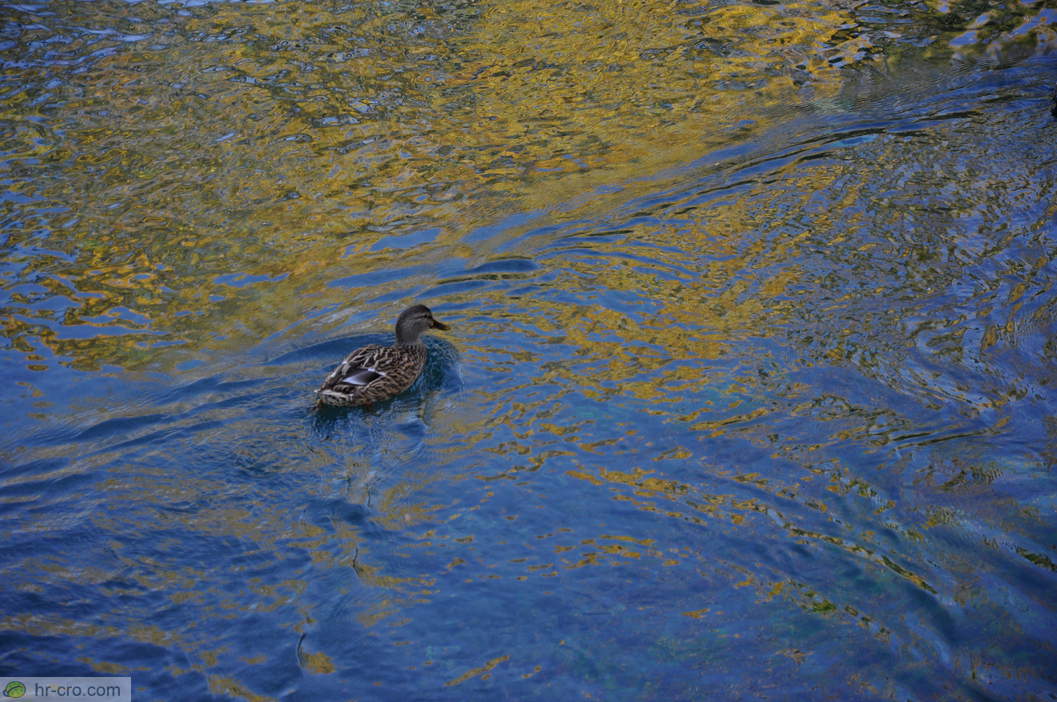
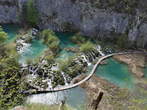
The Special Reserve "Jadro" is a protected area in Croatia, established on March 22, 1984, with the primary goal of preserving the endemic Softmouth Trout (Salmo obtusirostris ssp. salonitana). This unique species is native to the Jadro River and cannot be found anywhere else in the world, making its conservation a matter of global importance.
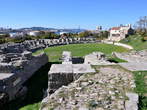
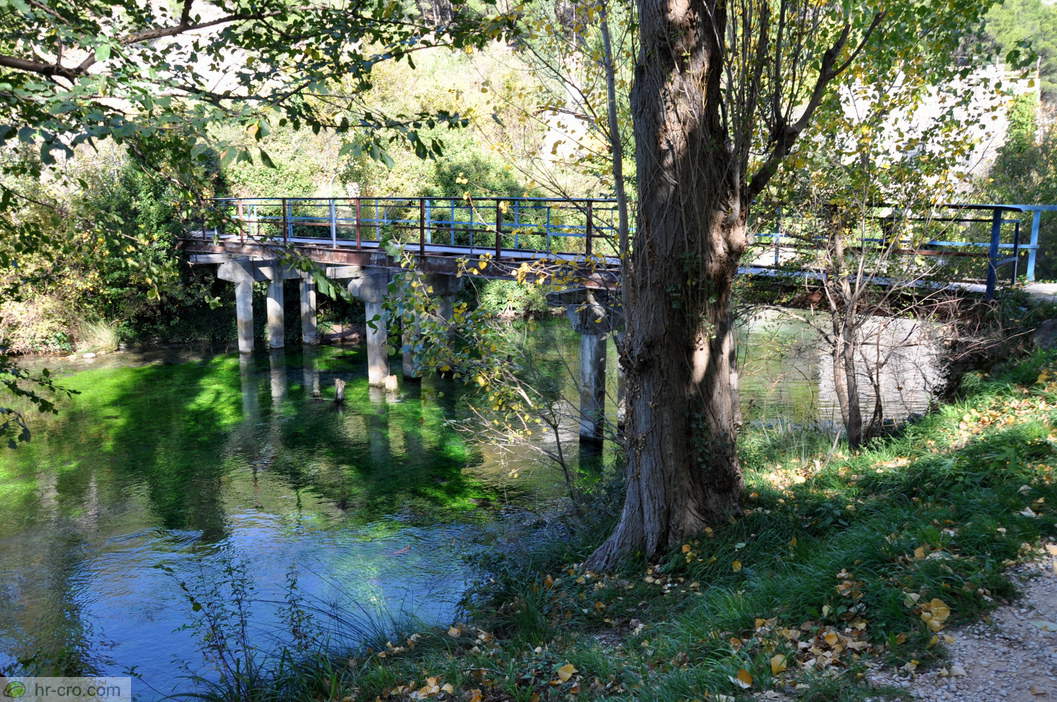
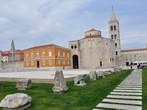
The reserve spans 7.8 hectares, encompassing the river's watercourse and banks from its source to the Uvodja Bridge. The Jadro River originates beneath the western slopes of Mosor, near the historic town of Solin. It flows for approximately 10 kilometers before emptying into the Adriatic Sea at Vranjic Bay. Despite being a karst river, typically characterized by short and intermittent flows, the Jadro is unusually rich in water. Its isolation, a common feature of karst systems, has allowed the evolution of highly specialized ecosystems, including the unique habitat required for the survival of the Softmouth Trout. Beyond its ecological significance, the river is also vital for local communities, supplying drinking water to around 300,000 residents of Split and its surrounding areas. However, the reserve faces significant challenges. One of the greatest threats is the presence of invasive species, such as the Californian Trout (Salmo gairdneri ssp. irideus), introduced before World War II. This non-native fish competes with the endemic trout for resources and poses a direct threat to its survival. Another ecological setback has been the disappearance of freshwater crabs, which were last observed in the river roughly 30 years ago. Their decline, likely due to human activities such as riverbank modification and pollution, has disrupted the natural balance of the ecosystem. In addition to its ecological importance, the Jadro River holds considerable historical and cultural significance. The area around its source is near the ancient Roman city of Salona, the former capital of the Roman province of Dalmatia. Preserving the river's natural integrity not only safeguards its unique biodiversity but also contributes to protecting the heritage of this historically rich region.
The reserve is managed by the Public Institution for the Management of Protected Areas in the County of Split and Dalmatia, which is actively working to mitigate human impacts and promote sustainable practices. Future initiatives include expanding the reserve’s boundaries and restoring lost ecological components, such as the reintroduction of freshwater crabs, to ensure the long-term stability and biodiversity of this extraordinary habitat.
 HR-CRO - Croatia
 SplitHotel Split Inn by President