HR-CRO - Croatia
 NovaljaHostin Gajac

Pag Island - Novalja 
Where is Novalja?
Most Beautiful Trips
In the central area of the island of Pag, the acropolis with the church of St. Mary stands above the vast salt basins as part of the former Pag, whose beginnings date back to antiquity. The name Pag is first mentioned in written sources in 976, when King Stjepan Drzislav liberated Pag, which until then was under Byzantine rule. One of the important events in the history of the city of Pag is the
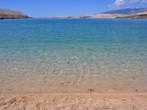
Zrce is one of the most beautiful and popular beaches on the island of Pag. It is located on the northeastern part of the island in the picturesque bay of Zrce, which is about three kilometers from the tourist town of Novalja. Zrce beach is surrounded by a pine forest. A large parking lot is available to visitors. The beach is pebbly, with white pebbles of regular shapes. Access to the sea is ea

The town of Pag is located in the central part of the island of Pag. It is the center of economic, administrative and cultural life. The most important economic branch is tourism, which stimulated the development of other economic branches, especially hospitality and trade. The old town center of Pag is a protected cultural monument, in which there are buildings that bear witness to the colorful

The island of Pag is the longest and fifth largest Adriatic island. It is 60 kilometers long, separates Dalmatia from Primorje, and about eight thousand inhabitants live on it. The island coast is very divided with many coves, sandy beaches and harbors. The island of Pag is accessible by ferry on the very short line Prizna - Zigljan or via the picturesque Pag bridge. The ferry ride only takes a

The town of Pag is located in the central part of the island of Pag. It is the center of administrative, cultural and economic life. The name Pag was mentioned for the first time in the 10th century, when King Stjepan Drzislav liberated Pag, which until then was under Byzantine rule. The old town center of Pag is a protected cultural monument with many buildings that tell the story of the intens

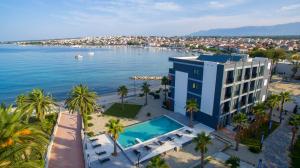
The town of Novalja is located in the northwestern area of the island of Pag. It lies in a beautiful bay that faces the open sea and therefore offers unforgettable sunsets. Novalja is a tourist, economic and cultural settlement and the central port of the island of Pag. Novalja was created as a port of the nearby town of Kisse, which sank in the 4th century, destroyed in a strong earthquake. Thi
The town of Pag is the cultural, tourist and administrative center of the island of Pag. It dates from the 15th century and the plans for its construction are the work of the great builder and sculptor Juraj Matejev Dalmatinac. Pag is known for its well-preserved old medieval core. The biggest cultural attractions of the city are the Congregational Church of the Assumption of Mary, the Benedicti