The island of Rab is a popular destination in the northern Adriatic, attracting visitors with its beautiful beaches, clear sea, diverse vegetation, and rich cultural heritage. It is located in the Kvarner Gulf between the islands of Krk and Pag. The island is divided into two administrative units: the municipality of Lopar in the north and the town of Rab.
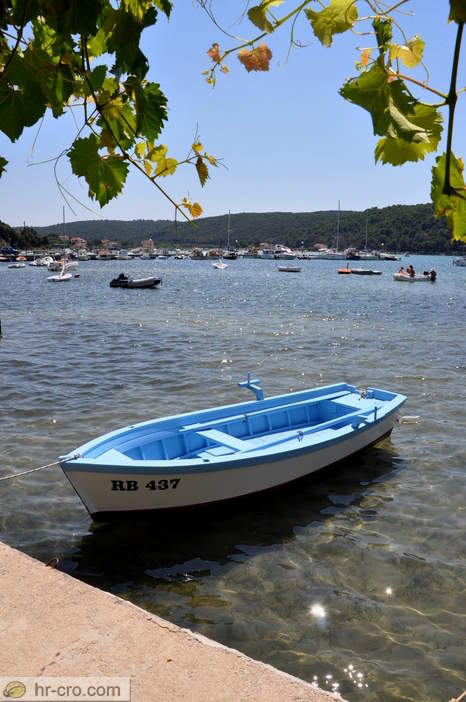
Rab has a Mediterranean climate, with hot, dry summers and mild, humid winters. Kampor is a small settlement that falls under the administration of the Town of Rab. It is located about six kilometres northwest of the town, at the end of the Kamporska Draga bay. It is considered the best-preserved fishing village on the island and lies within the Dundo forest reserve. The settlement combines tradition and modernity, offering numerous scenic beaches, walking and cycling paths, organically grown food, and rustic restaurants that preserve the local charm. Particularly noteworthy is Mel Kampor, a sandy beach known for its exceptionally fine sand and beautiful sunsets. It can be accessed by car or by sea. The beach is especially popular among families, as it offers a large parking area, bars, and restaurants. Visitors can rent umbrellas and sun loungers, and sports facilities include volleyball courts and a trampoline. The southern part of the beach is designated for pets. On the northern side of the Bay of Euphemia stands the Franciscan Monastery of St. Euphemia, founded in 1444. The charter documenting the construction of the monastery is an important historical record, as it contains the first known mention of the Croatian name of the town and the island. The Romanesque Church of St. Euphemia belongs to the monastery and is adorned with paintings of saints and beautiful altars of high artistic value. The monastery’s wooden gallery is decorated with sacred motifs. Part of the Franciscan monastery has been transformed into the Ethnographic Museum of the Town of Rab, which presents the cultural and historical heritage of the area. The museum also includes a gallery of paintings by the monk Janez Ambrož Testen. The monastic library preserves many rare books, choir books, illustrated missals, the Rab Statute of 1598, a collection of 34 incunabula, and numerous other valuable works. The Rab Chronicle, which records the history of the monastery and the island of Rab, is also kept here. Local celebrations take place on Easter Monday and on 16 September, the feast of St. Euphemia, when the settlement comes to life in the spirit of tradition and social gathering.
Archaeological excavations in the Kampor Bay area have uncovered the remains of a Roman harbour. During the Second World War, a concentration camp was built in the Kampor area. In memory of the victims, a memorial cemetery was established, designed by the architect Edo Ravnikar, with a mosaic composition created by the painter Marij Pregelj.
 HR-CRO - Croatia
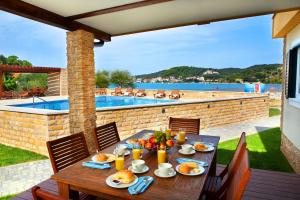 RabLando Resort