HR-CRO - Croatia
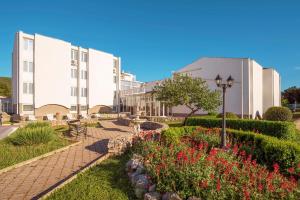
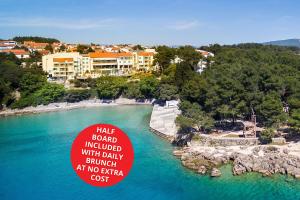 KrkSunny Krk by Valamar
Most Beautiful Trips - Krk Island

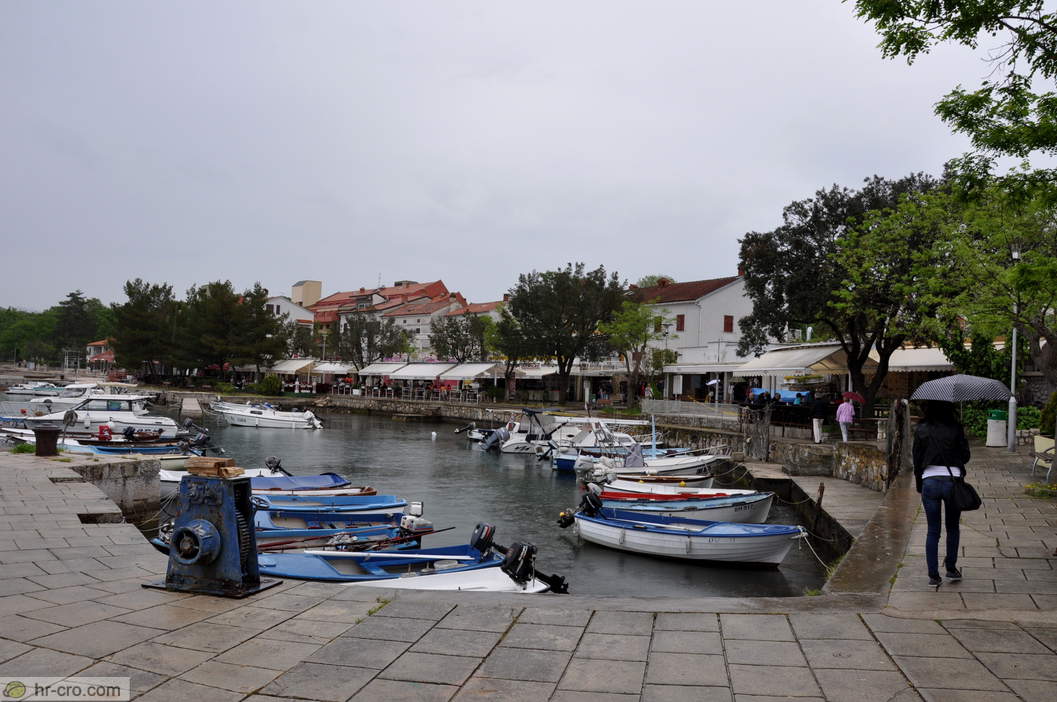
Krk Island - Krk

Krk Island - Vrbnik
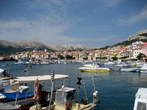
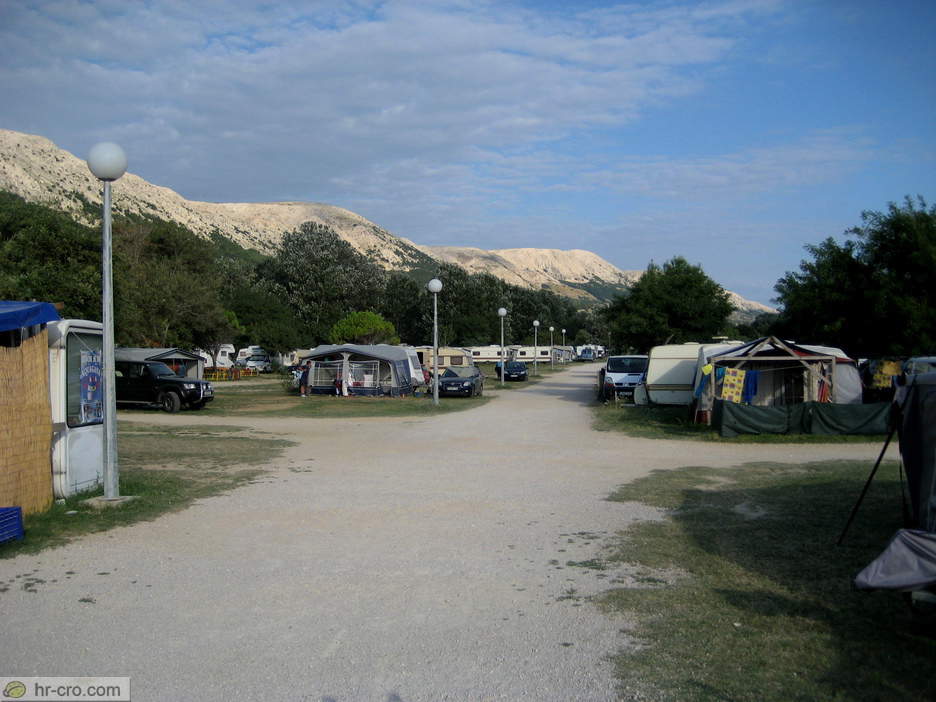
Krk - Baska

Krk Island - Kosljun

Krk Island - Cave Biserujka
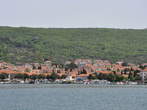
Krk Island - Punat

Krk Island - Omisalj
All Trips

Krk Island is, together with Cres Island, the largest island in the Adriatic Sea and the largest island in Croatia. It is the northernmost island in the Mediterranean, except for the small islands along the coasts of Istria and Italy.
Krk Island is 38 km long and 21 km wide. Since 1980, it has been connected to the mainland by the famous Krk Bridge. The island is also connected by ferry to the neighboring islands of Rab and Cres. The international Rijeka Airport is located on the island. The largest town on the island is Krk, which is also the administrative, cultural, political, and religious center of the island. Other larger settlements on the island include Omisalj, Njivice, Malinska, Punat, Baska, Vrbnik, and Dobrinj. The most important cultural attractions include the Baska Tablet, located in the Church of St. Lucy in Jurandvor; the Mirina Basilica near the town of Omisalj; the Franciscan Monastery of St. Mary Magdalene in Porat; Vela Placa, the main square of the town of Krk; the Franciscan Fort and the Krk Cathedral in the town of Krk; the Franciscan Monastery Kosljun on the small island of Kosljun; and others. Krk Island offers visitors many activities, such as cycling, walking, hiking, water skiing, night fishing, paintball, and more. Unlike many other Croatian islands, Krk Island is relatively well forested. The northwestern part of the island is relatively densely populated, more fertile, and lower in elevation. The southeastern part of the island is mostly barren and higher. The highest peak of the island, Obzova, is located here and reaches 569 meters.
The northeastern coast of the island is less indented, steep, and exposed to the bora wind. In the northeastern part of the island, near the village of Rudina, there is the Biserujka Cave, which represents the underground jewel of Krk.