HR-CRO - Croatia
 CrikvenicaHotel Ad Turres

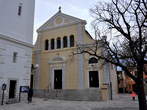
Crikvenica - Town Museum
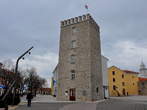
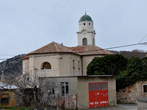


 Crikvenica grew from a fishing and craft settlement into a health resort, giving its heritage several distinct layers.
The Town Museum occupies the old town hall at 1 Preradovićeva Street in the centre of Crikvenica. It is only a few steps from  Stjepan Radic Square, so a visit fits naturally into a walk between the square, harbour and older streets of the town centre.
The institution was founded in 2008 to collect, preserve, document, study and present the heritage of Crikvenica and its surroundings. It is a local museum of a broad interdisciplinary type: rather than concentrating on one historical period, it documents life across the wider area from prehistory to the second half of the twentieth century.
The holdings are organised into nine collections. They include archaeology and palaeontology, documentary material, numismatics and decorations, photographs, postcards and objects from everyday life. Particularly notable are fossils from the Vrtare male cave near 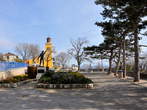 Dramalj, photographs recording the growth of the town and its hotels, and fishing equipment that reflects the importance of the sea to the local community.
The museum currently presents its heritage mainly through temporary exhibitions accompanied by catalogues, lectures, guided visits and workshops. It also conducts research and helps protect movable and immovable cultural heritage, while its specialised library gathers publications about Crikvenica, Vinodol and the surrounding area. As the programme changes, visitors should check the current exhibition and opening hours in advance.
The museum’s role extends beyond collecting objects: oral testimony, fieldwork and the digitisation of old photographs also preserve the community’s memory. The town’s story can then be continued beside the  Dubracina or at the historic
  Kastel complex, where several of the layers studied by the museum remain visible in the urban landscape.
Photos
Photo: 10102900-0
Crikvenica - Town Museum

Photo: 10102900-1
Entrance façade of the red museum building

Photo: 10102900-2
Side façade with a balcony