HR-CRO - Croatia
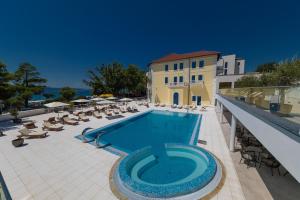 CrikvenicaBoutique Hotel Esplanade

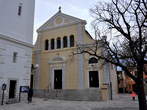



The oldest part of  Crikvenica stands at the mouth of the Dubracina, where a natural harbour and settlement came together.
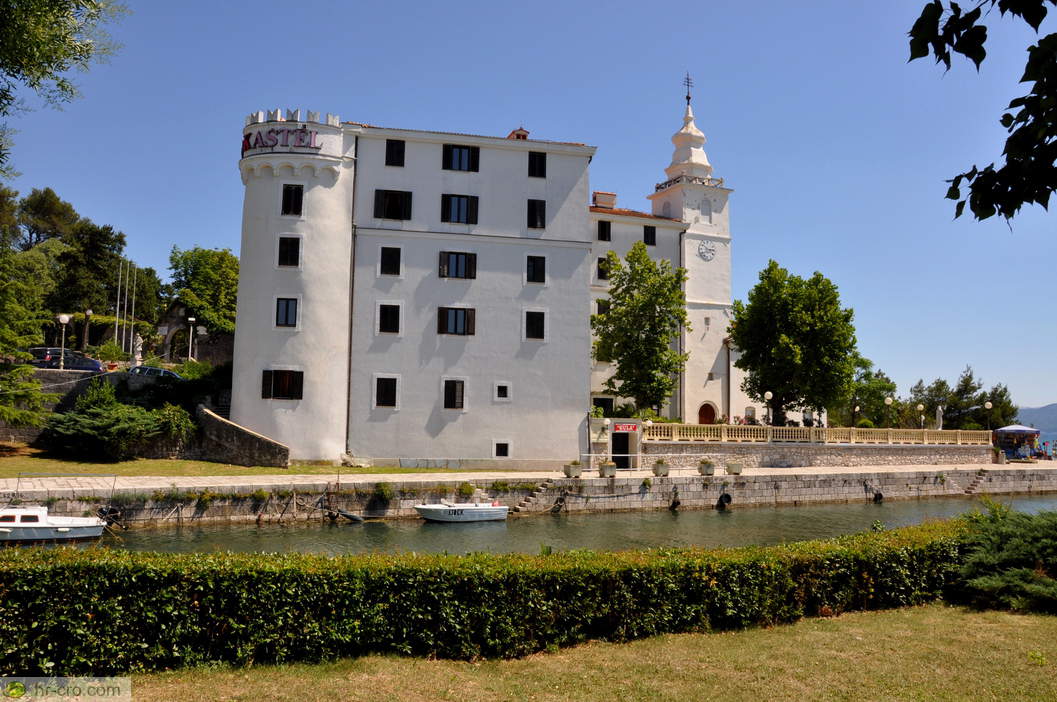
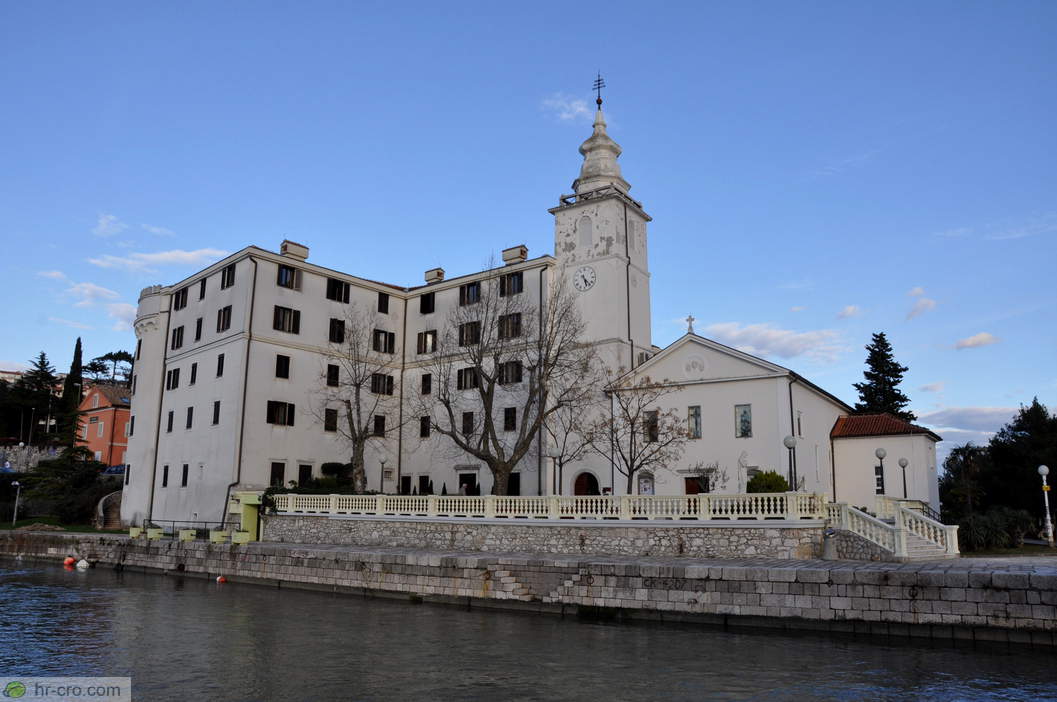
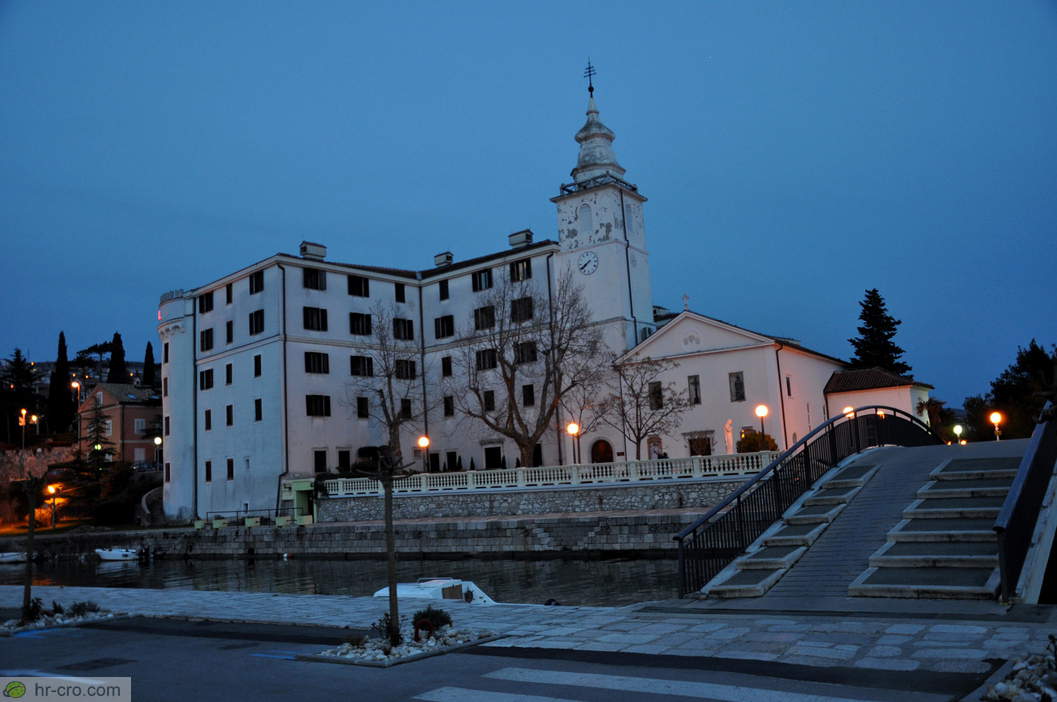
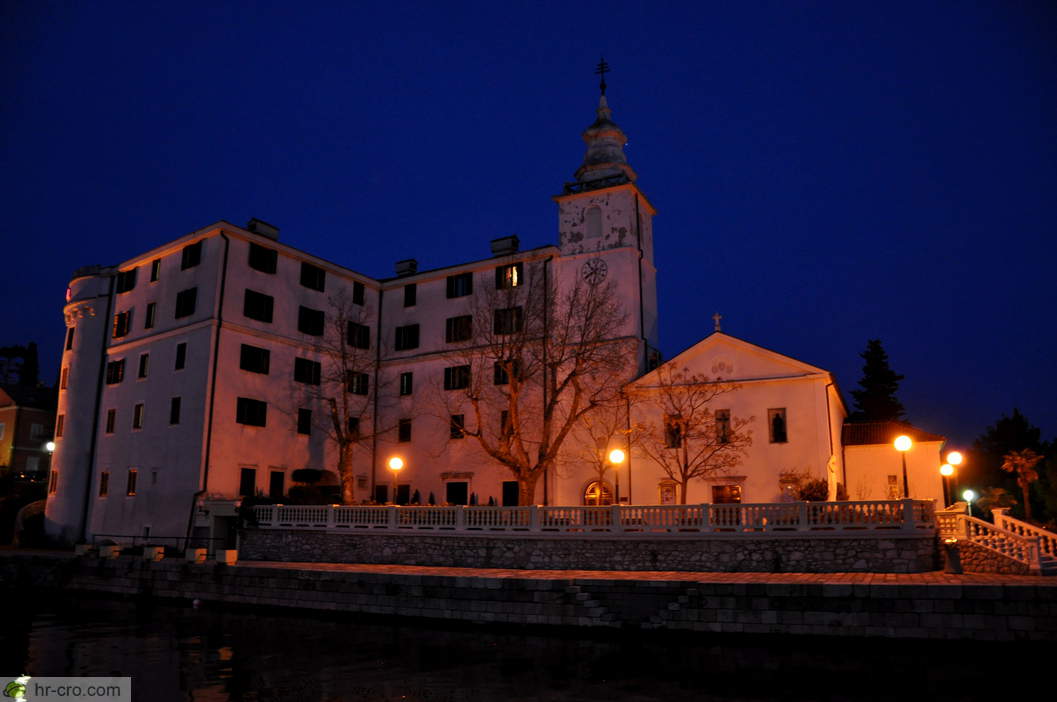
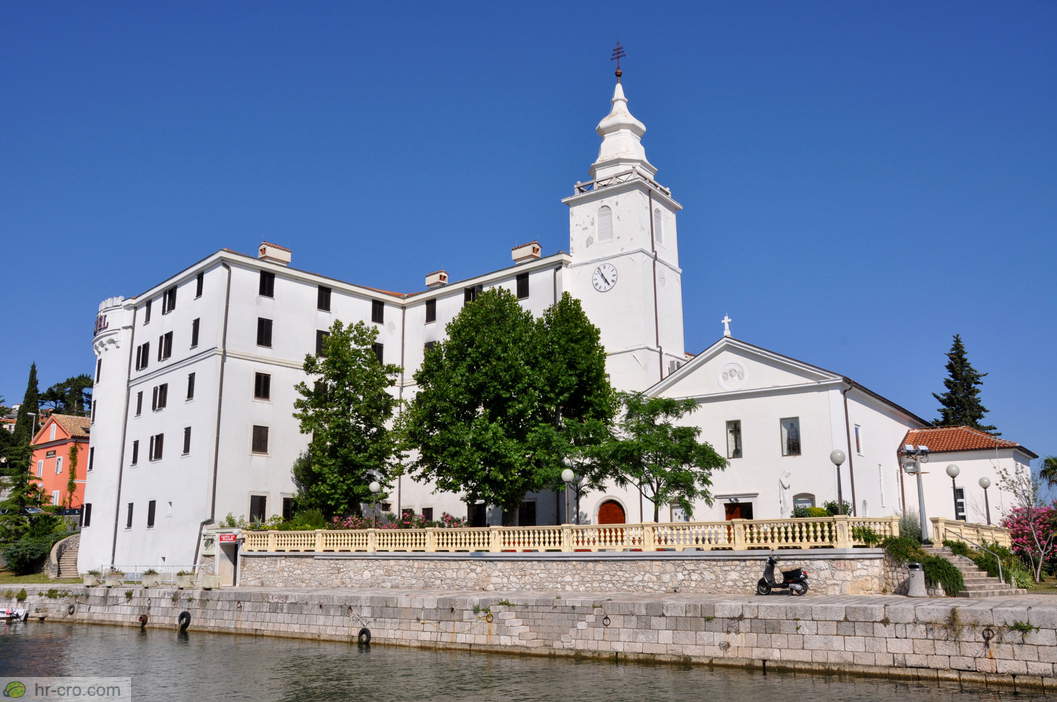
Kastel stands at the mouth of the  Dubracina and forms the historic core of Crikvenica. Within a compact area are the Church of the Assumption, the former monastery, a building later adapted as a hotel, its park and a collection of stone monuments. Together they create a setting different in scale and character from the livelier resort centre farther west along the coast.
The complex traces its beginning to 1412. Prince Nikola IV Frankopan had a monastery built beside an older church and donated it to the Pauline order on 14 August. The charter is the earliest known written document to contain the name Crikvenica, making Kastel important not only as a surviving architectural ensemble but also as the setting for the first recorded chapter of the town’s history.
The Paulines influenced religious life as well as the economy, education and care for the sick. After the order was abolished the buildings assumed several new functions; in the eighteenth century the administration of Vinodol was housed here and the name Kastel came into use. Later alterations adapted the monastic rooms to other purposes, but the basic relationship between church, courtyard and river remains clearly legible.
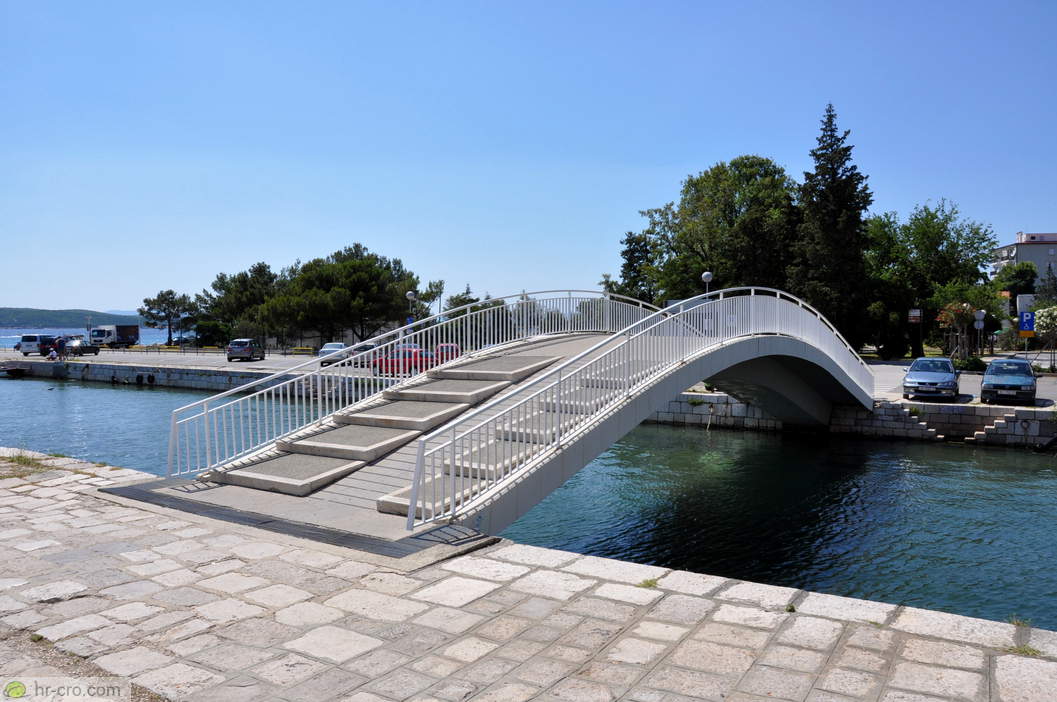
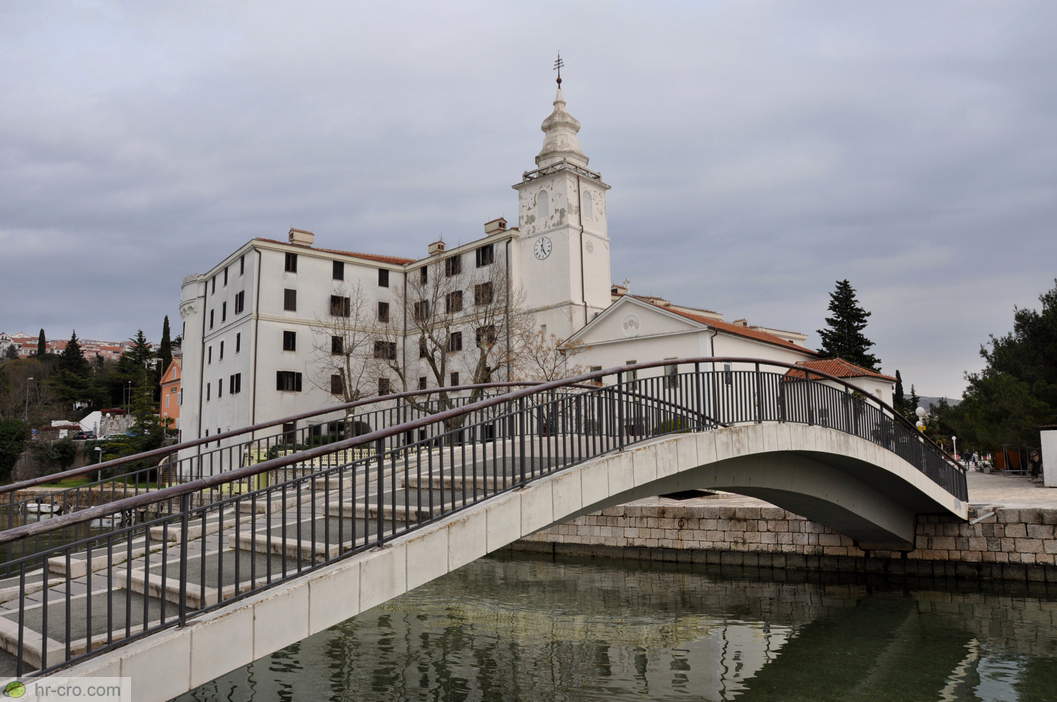
A visit is best begun at the  Pauline Bridge, which opens a view towards the church and the line of buildings beside the water. The route then continues through
  Hotel Kastel Park and past the
  lapidarium, where portals, coats of arms and statues add further pieces to the story. Kastel is therefore not one isolated sight but a short walk through several connected layers of Crikvenica’s past.
Photo: 10102600-0
Photo: 10102600-1
Photo: 10102600-2
Photo: 10102600-3
Photo: 10102600-4
Photo: 10102600-5
Photo: 10102600-6
Photo: 10102600-7