HR-CRO - Croatia
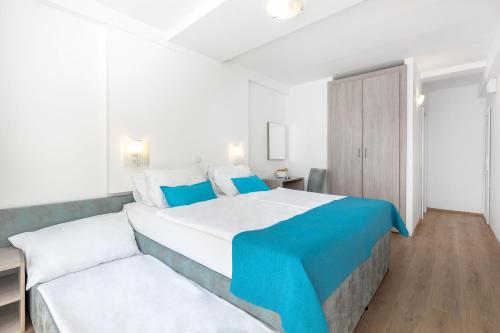
 SelceLuxury Hotel Amabilis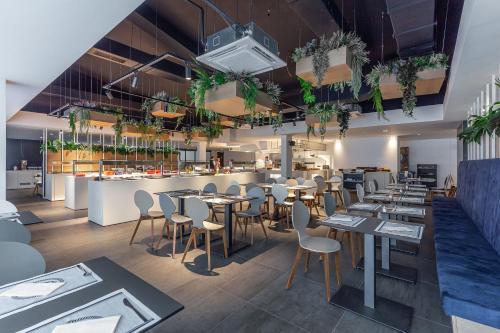
Crikvenica - Dubracina




 Crikvenica developed where the Vinodol valley meets the sea and its watercourse opens into the harbour bay.
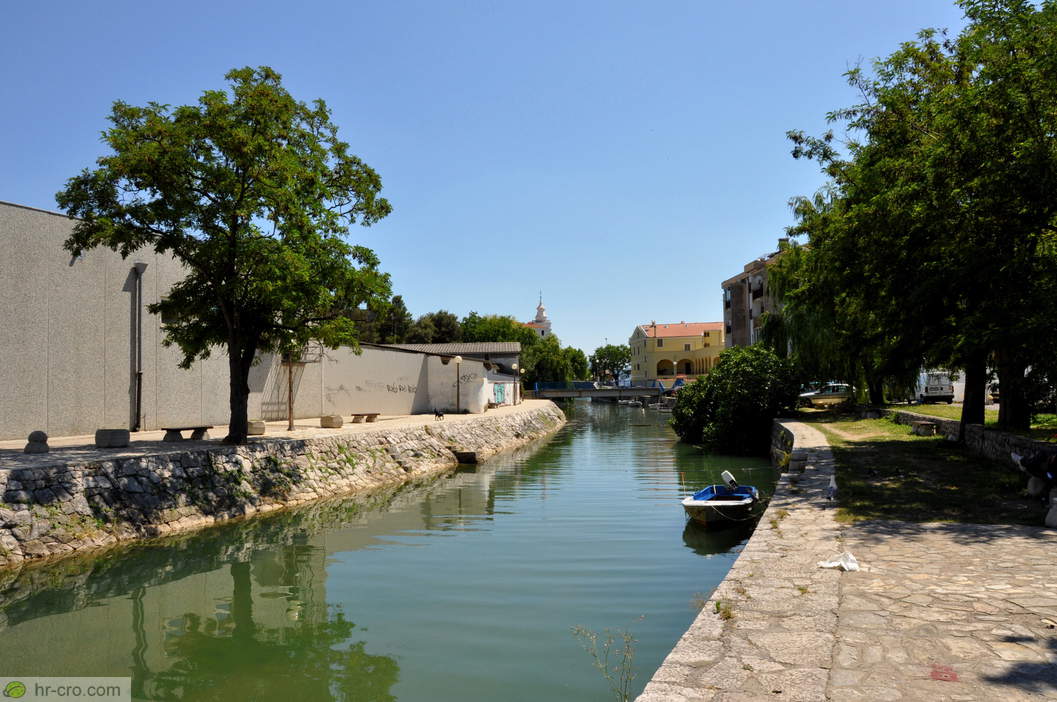
The Dubracina is a short river or stream from Vinodol that enters the Adriatic at Crikvenica. Its lower channel now passes through an arranged urban setting, while the historic core, harbour and eastern part of the centre meet at its mouth. This position makes the watercourse more than a natural boundary: it is one of the main axes around which the town developed.
The Dubracina was formerly also known as Vinodolcica. Its course shaped Crikvenica’s fertile field, and deposits at the mouth created shelter for the first harbour. Fragments of prehistoric pottery found beside the channel show that people were connected with the estuary area long before the present settlement took form.
A decisive stage followed in the early fifteenth century when a Pauline monastery was founded beside the mouth. Its complex developed into  Kastel, while the town centre expanded around the harbour and the crossings over the water. The stream repeatedly altered its course over the centuries, and bridges and approaches to the sea changed with it.
Today the lower reach offers a short walk from the town streets towards the coast. Its most recognisable crossing is the  Pauline Bridge, and at the mouth the view opens towards boats and the sea. Within a compact area the river therefore joins the natural landscape of Vinodol with the oldest urban history and modern waterfront life.
Photos
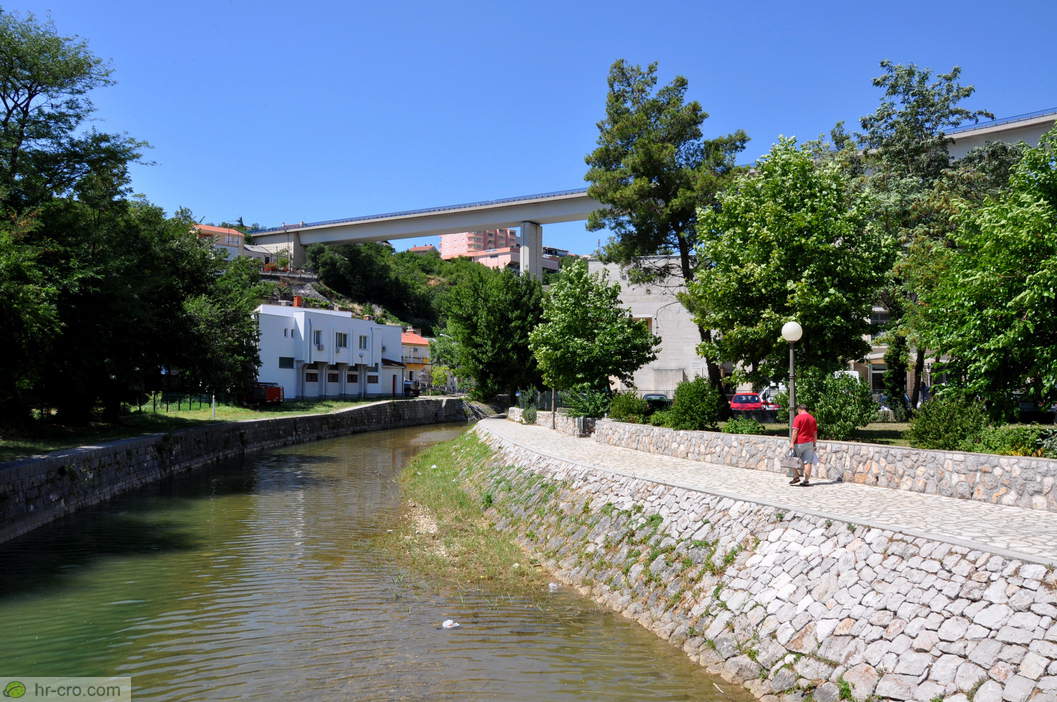
Photo: 10102400-0
Upper channel below the road viaduct
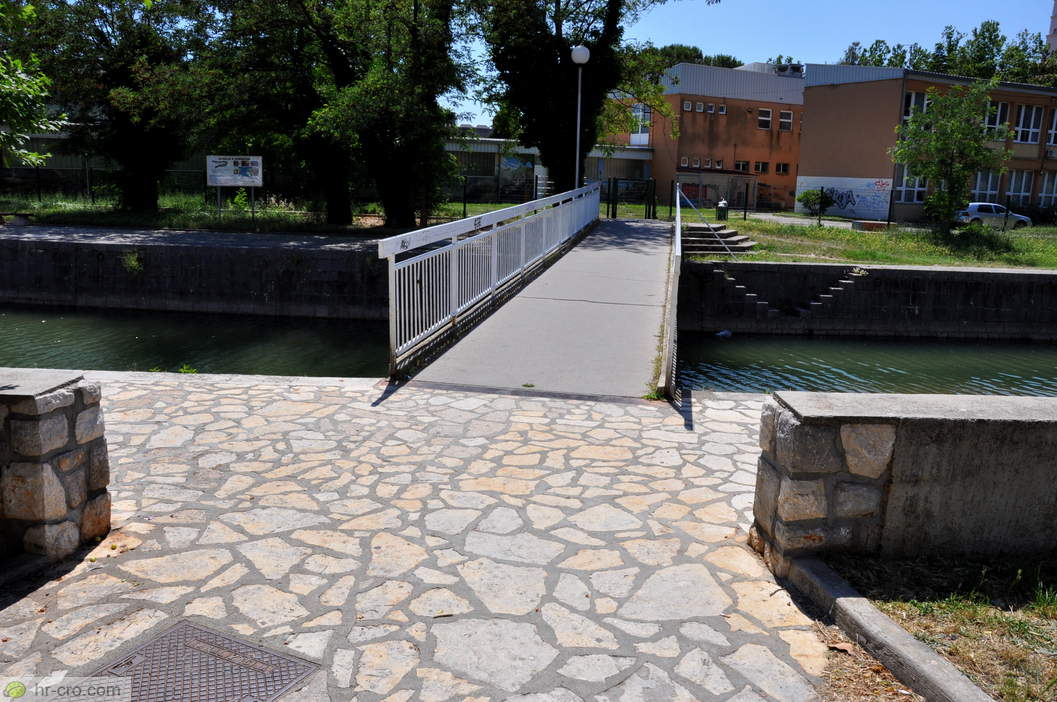
Photo: 10102400-1
Pedestrian bridge above the channel
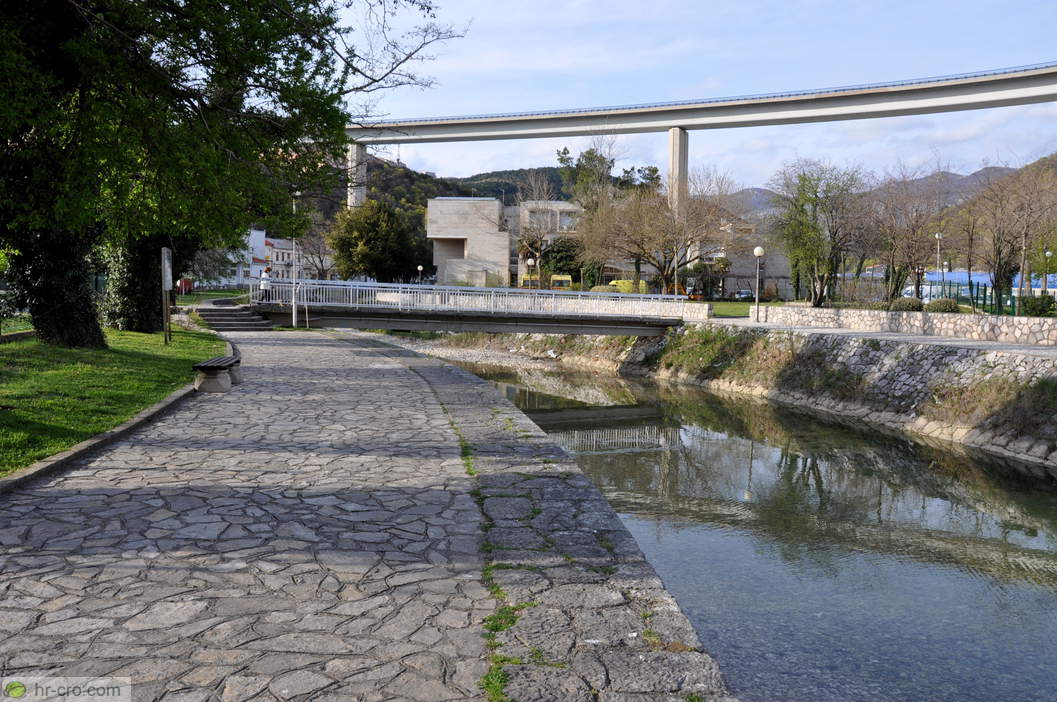
Photo: 10102400-2
Riverside path beneath the road viaduct
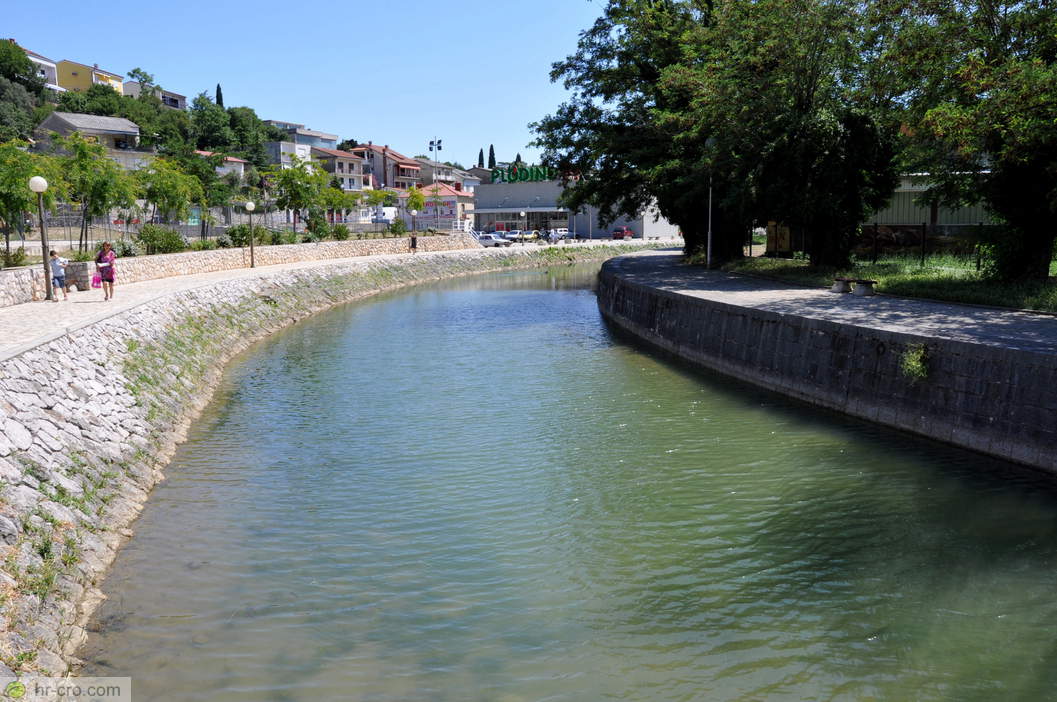
Photo: 10102400-3
Channel beside the stone embankment
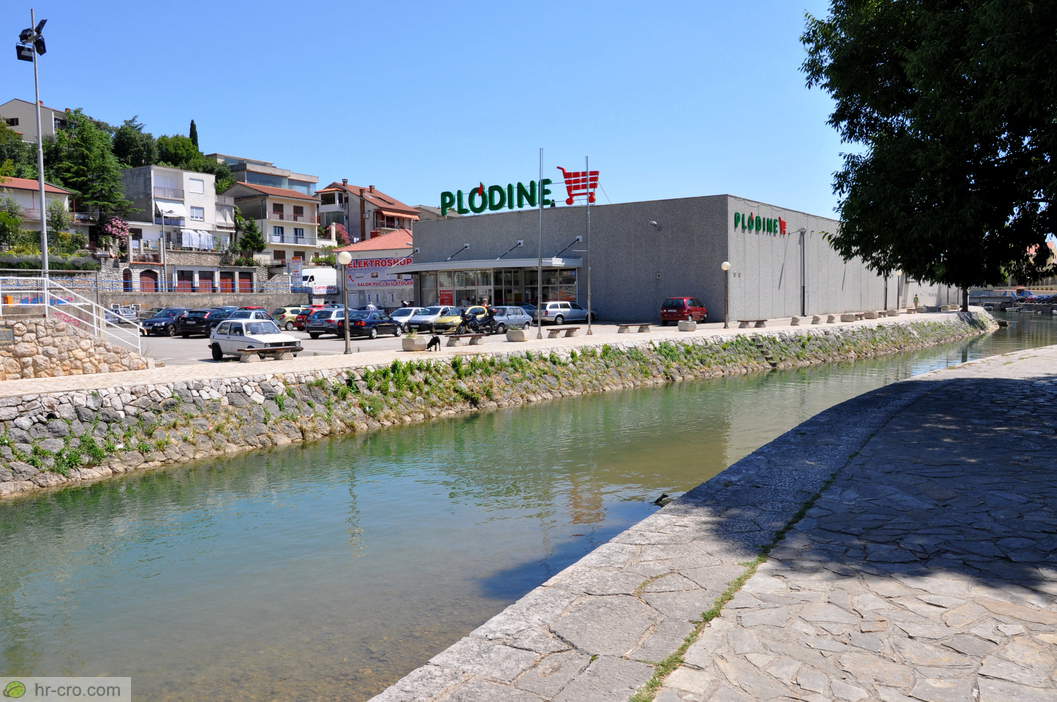
Photo: 10102400-4
Channel beside the commercial building
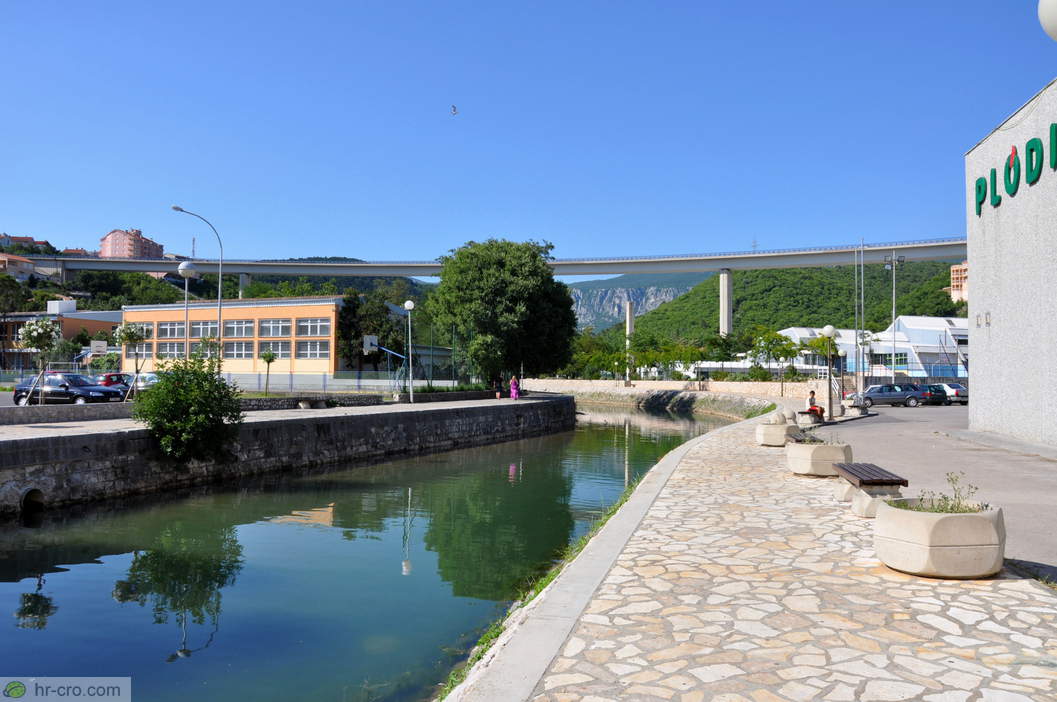
Photo: 10102400-5
Embankment towards the road viaduct
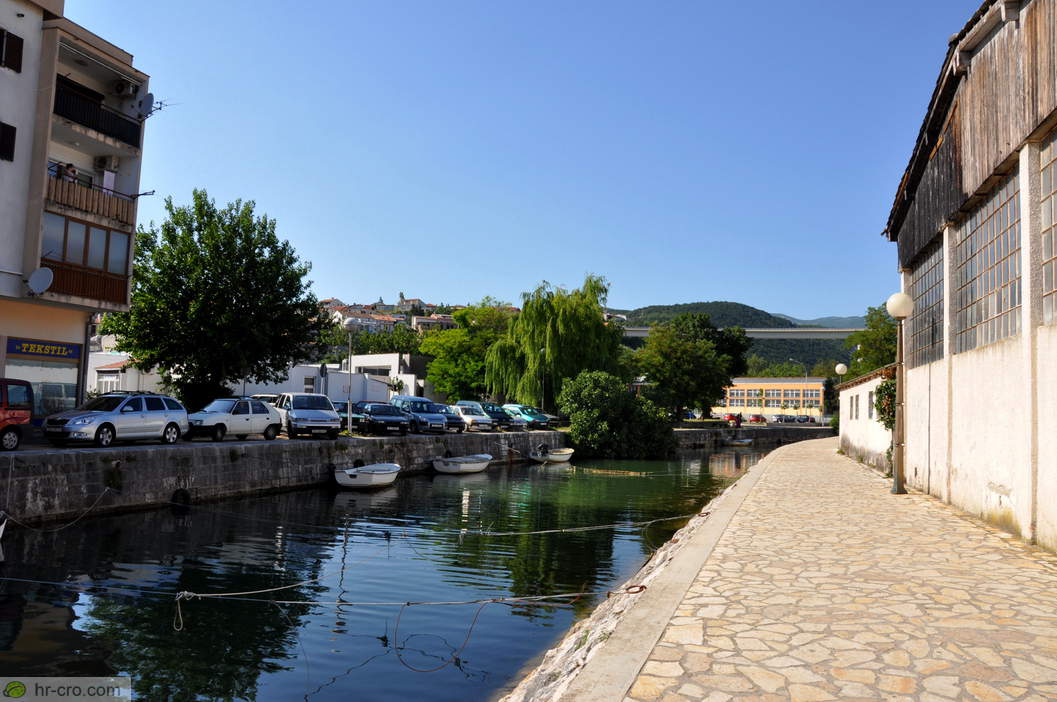
Photo: 10102400-6
Town houses beside the lower channel

Photo: 10102400-7
Information panel beside the channel
Photo: 10102400-8
Crikvenica - Dubracina
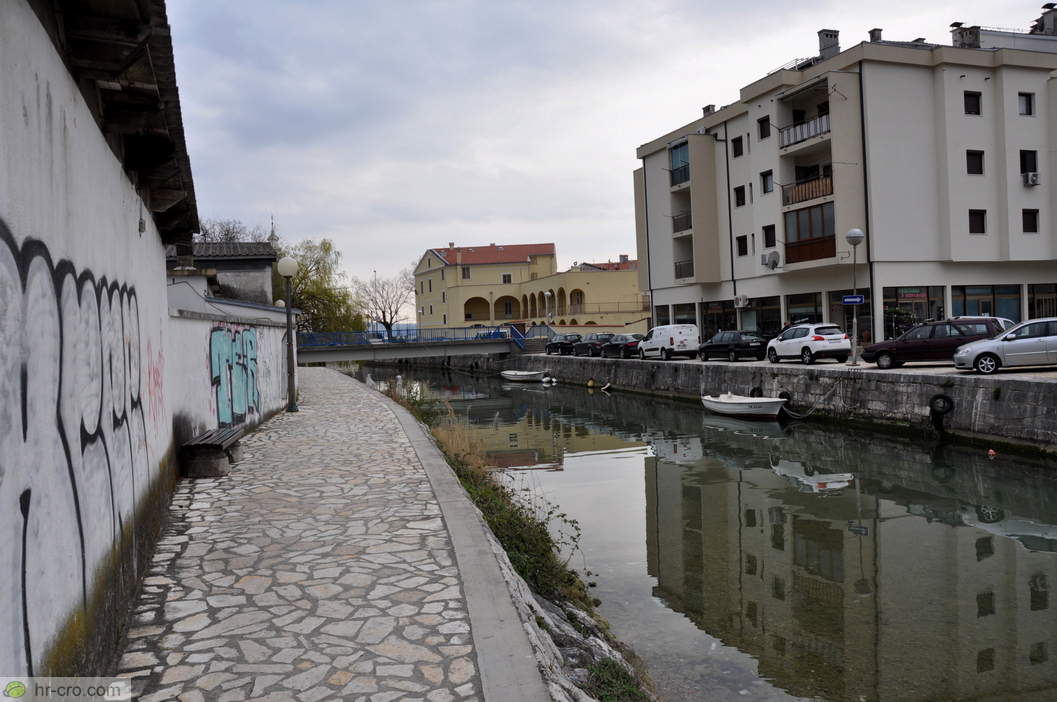
Photo: 10102400-9
Lower channel between town buildings
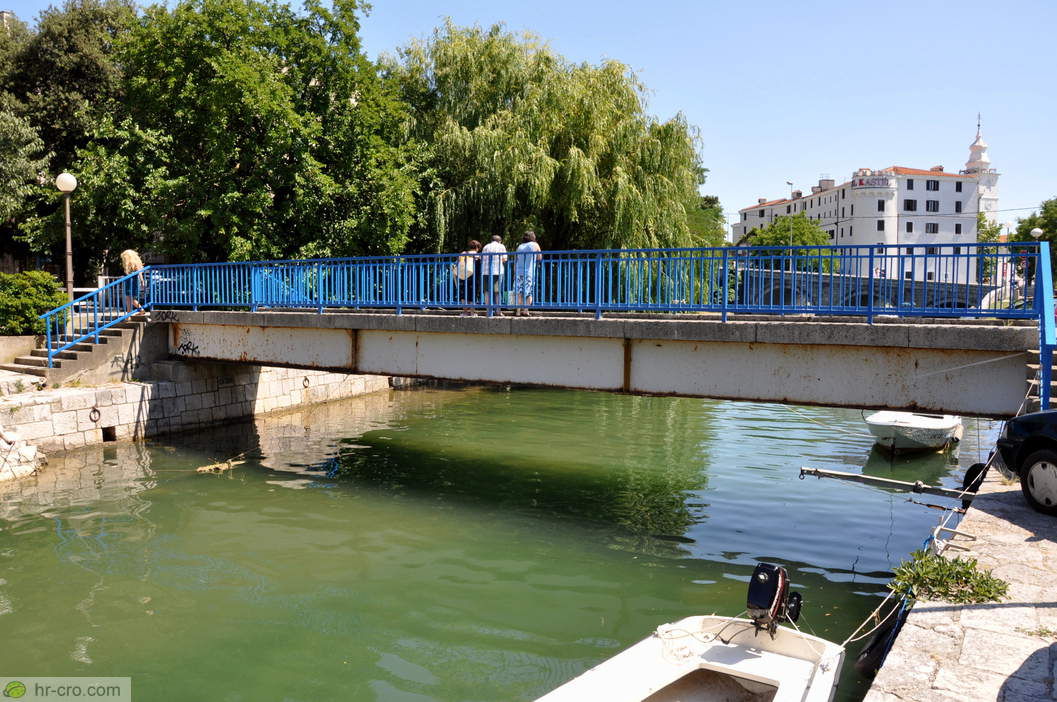
Photo: 10102400-10
Blue pedestrian bridge
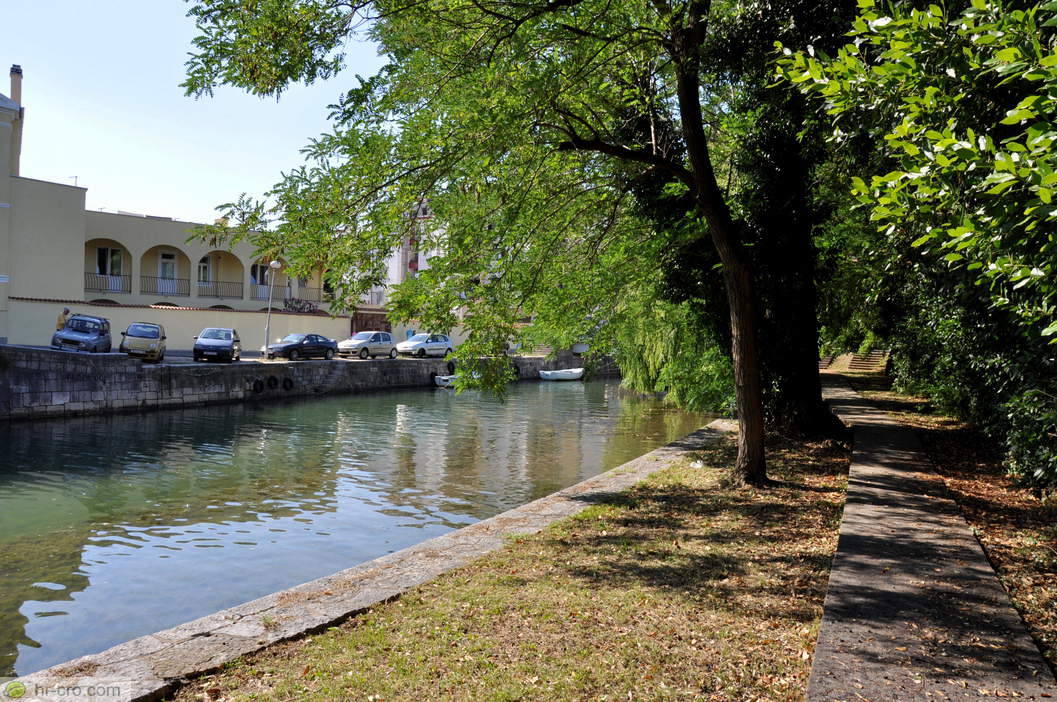
Photo: 10102400-11
Riverside path in the shade of trees

Photo: 10102400-12
Channel with willows along the embankment
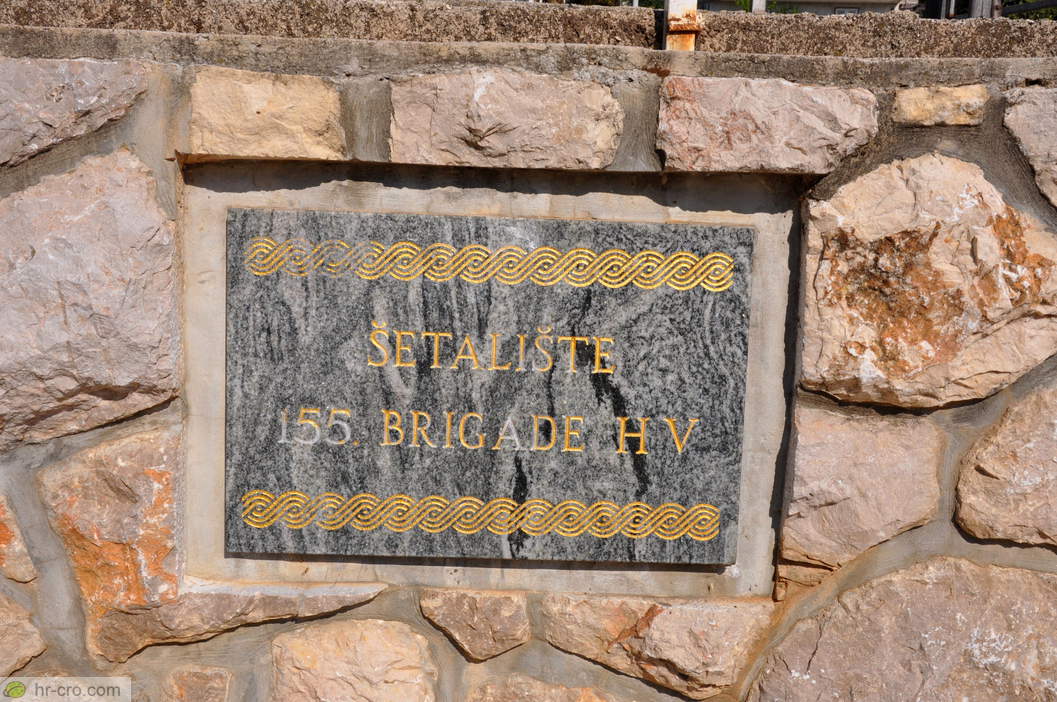
Photo: 10102400-13
Plaque of the 155th HV Brigade promenade
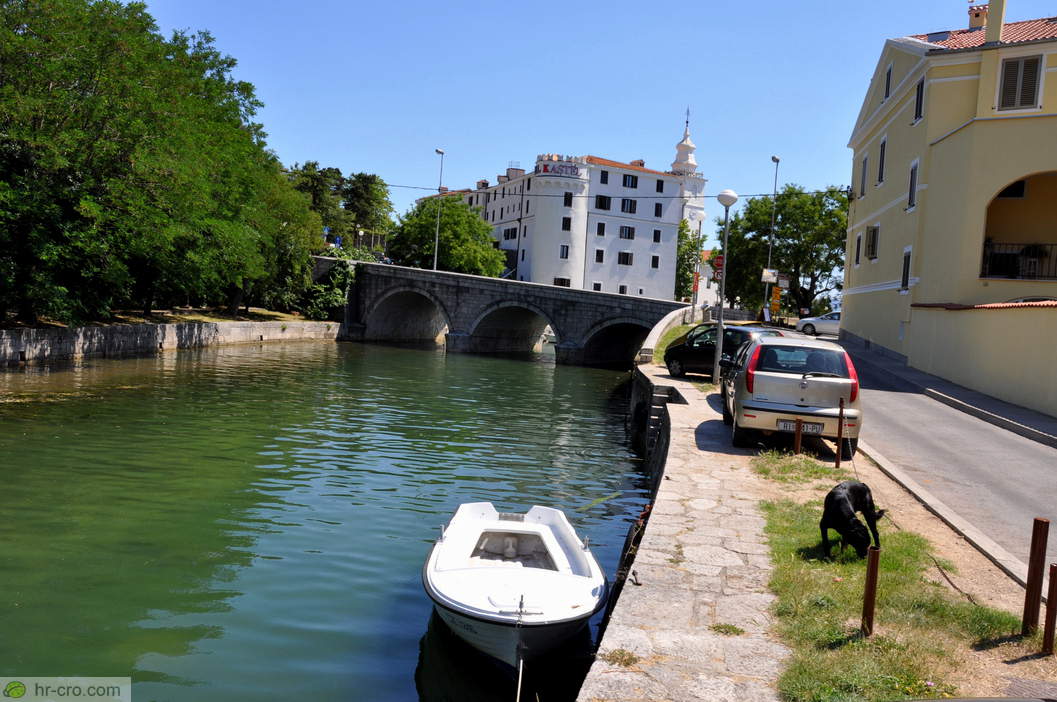
Photo: 10102400-14
Boat by the embankment and stone bridge
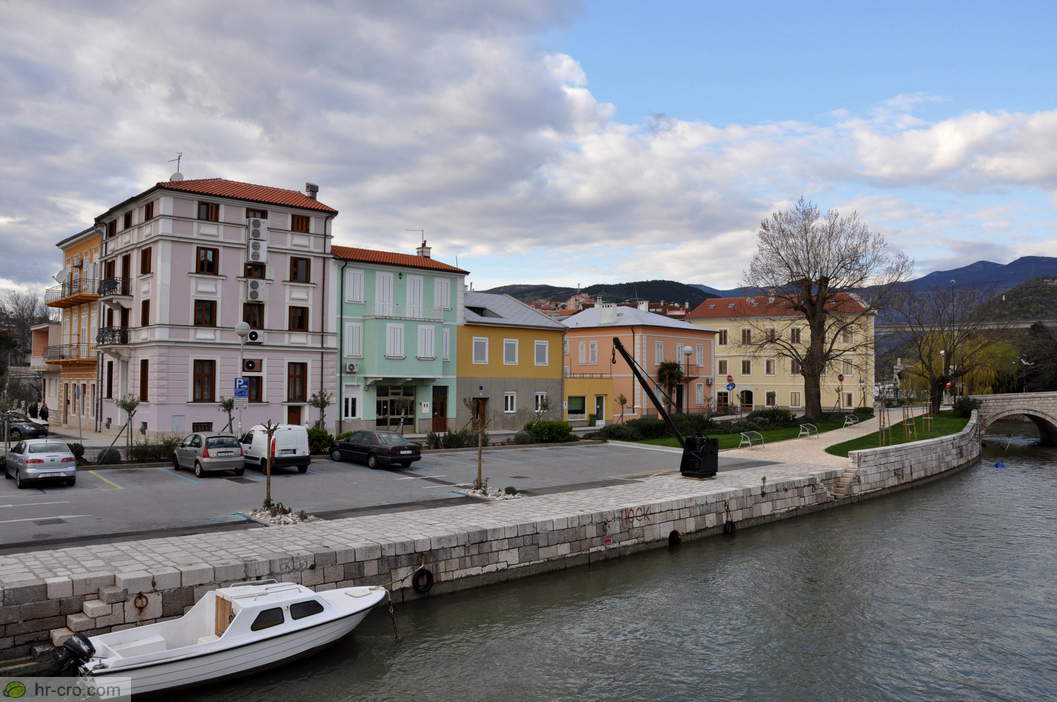
Photo: 10102400-15
Colourful houses and an arched bridge

Photo: 10102400-16
Mouth and bridge towards the sea
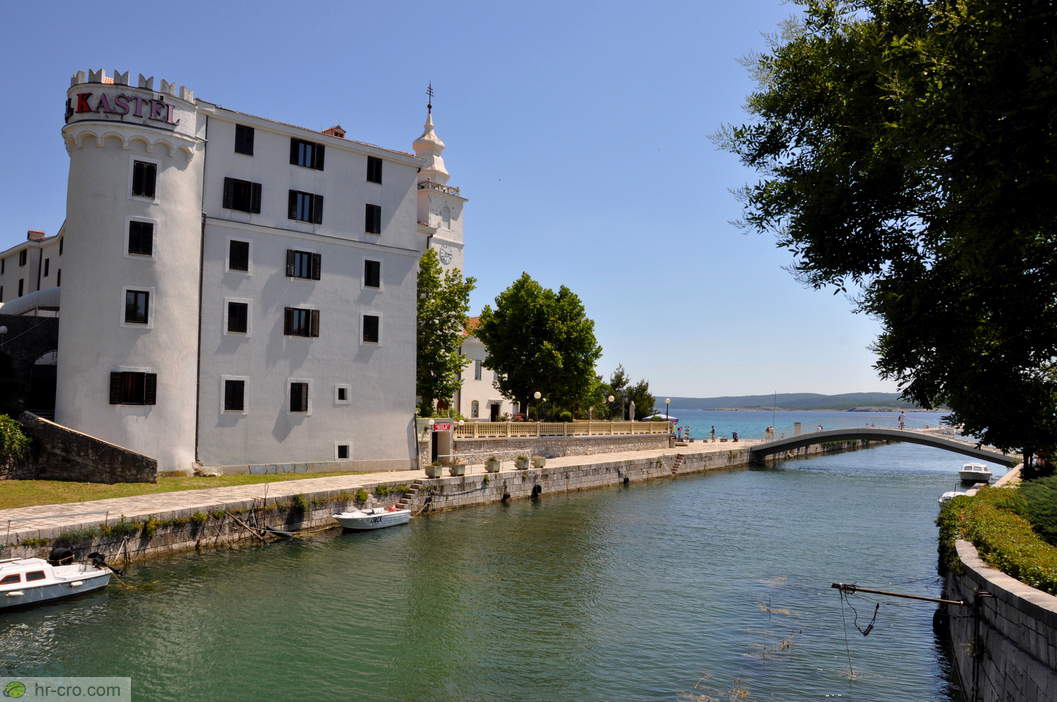
Photo: 10102400-17
Mouth beside Hotel Kastel and the arched bridge

Photo: 10102400-18
Towards Kastel and the church
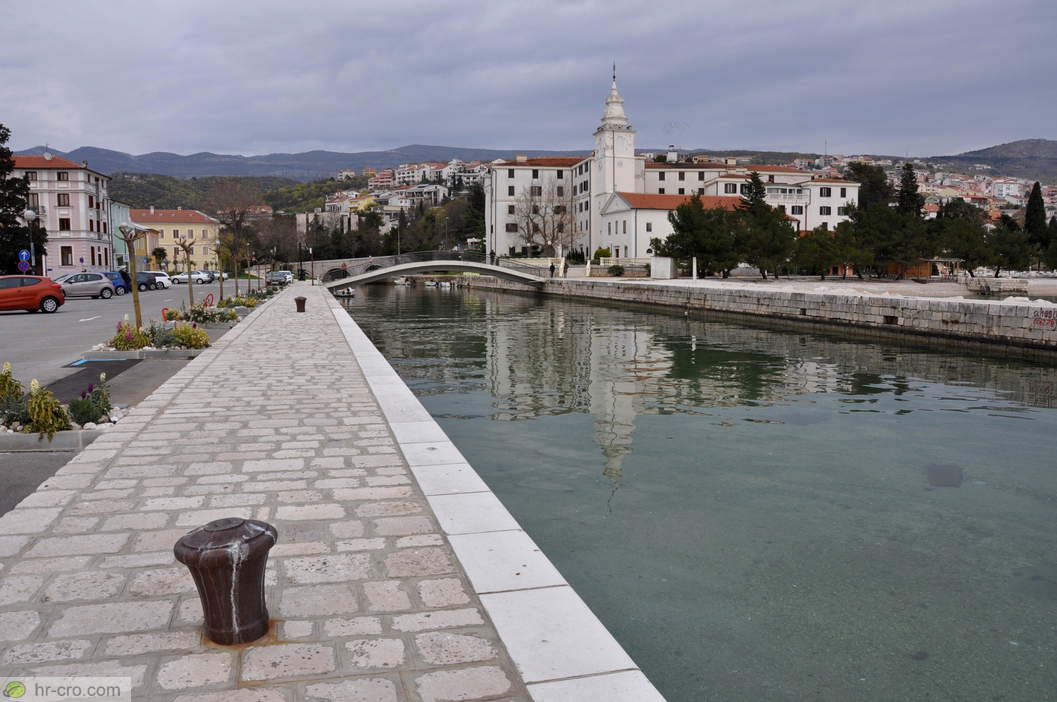
Photo: 10102400-19
Stone promenade along the lower course
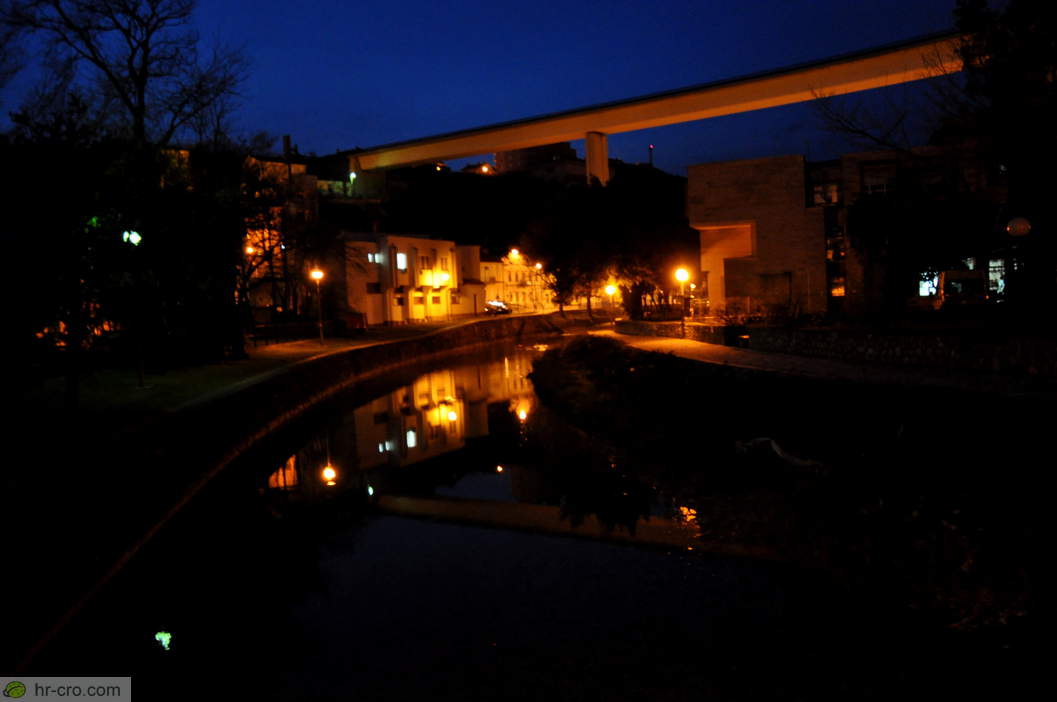
Photo: 10102400-20
Channel below the viaduct at night

Photo: 10102400-21
Illuminated embankment at night

Photo: 10102400-22
Night-time reflections of lights on the water