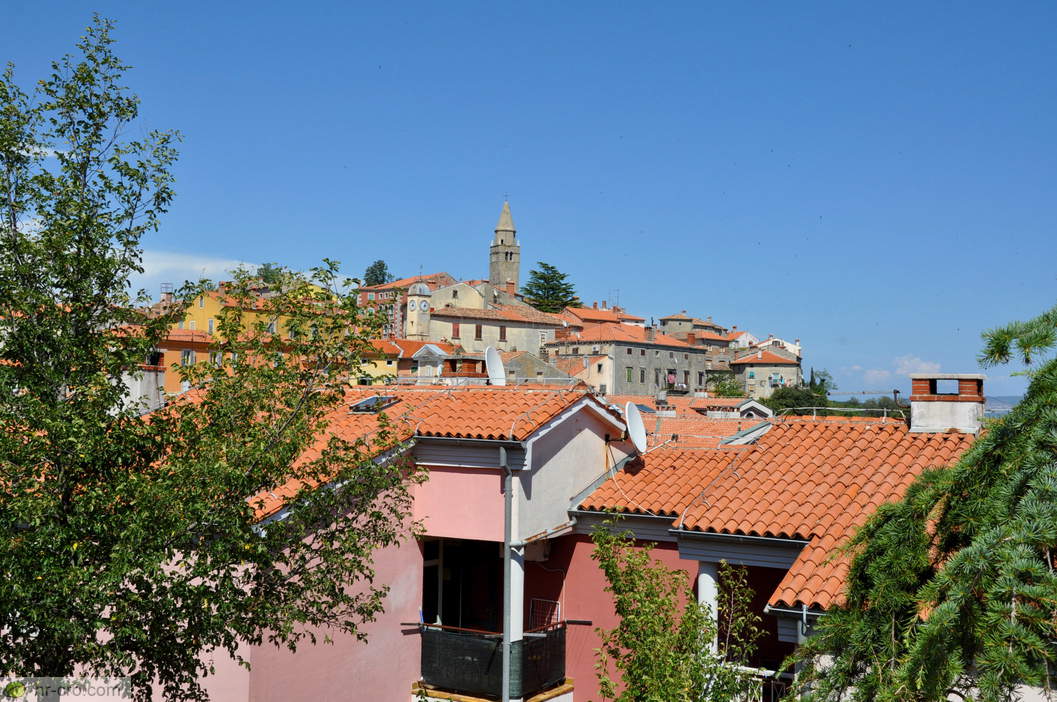
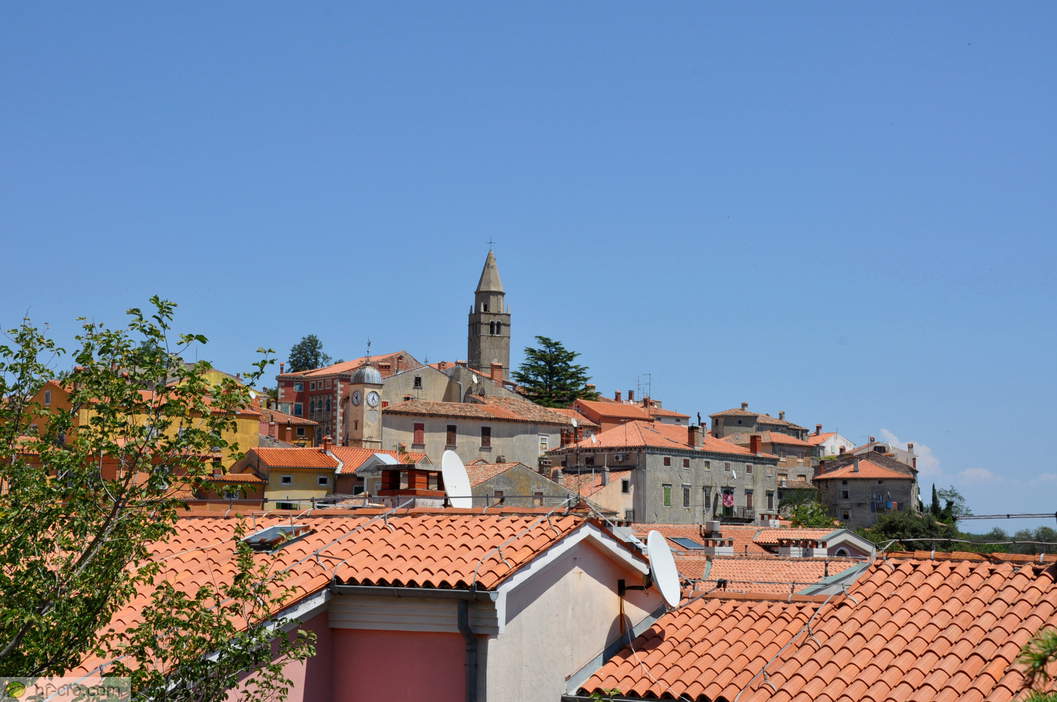
Labin lies in eastern  Istria, on a hill above the coast and nearby
  Rabac. The old town occupies the hilltop, while newer Podlabin spreads out below, where different residential and working areas developed. This contrast is central to Labin: the walled centre was once its administrative and cultural heart, while the landscape below is also tied to mining and the route towards the sea.
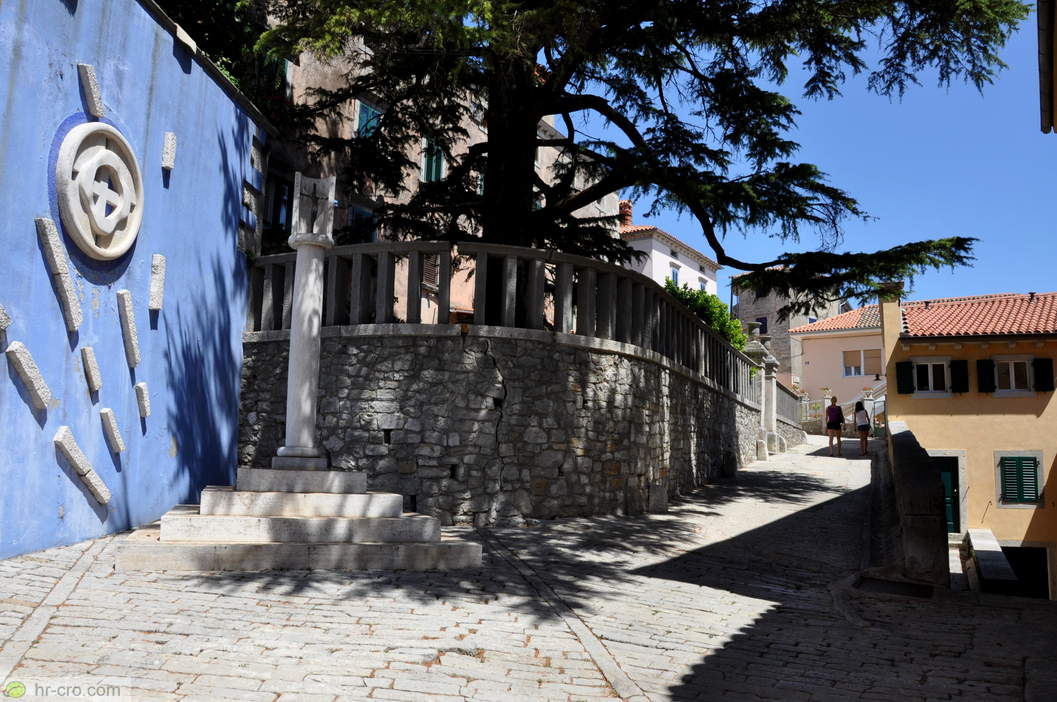
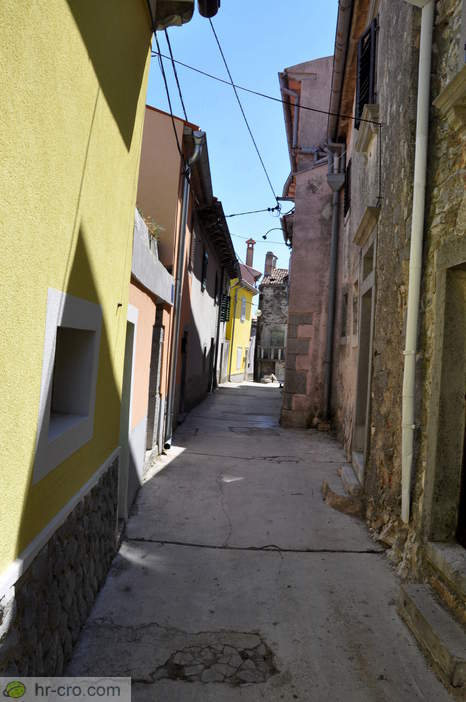
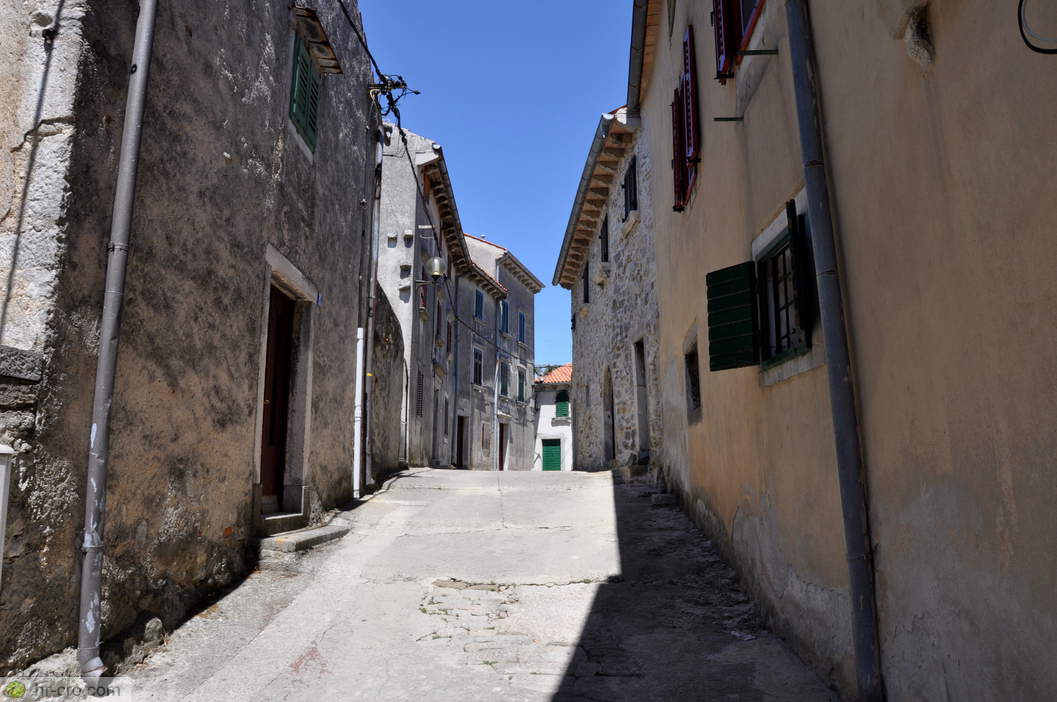
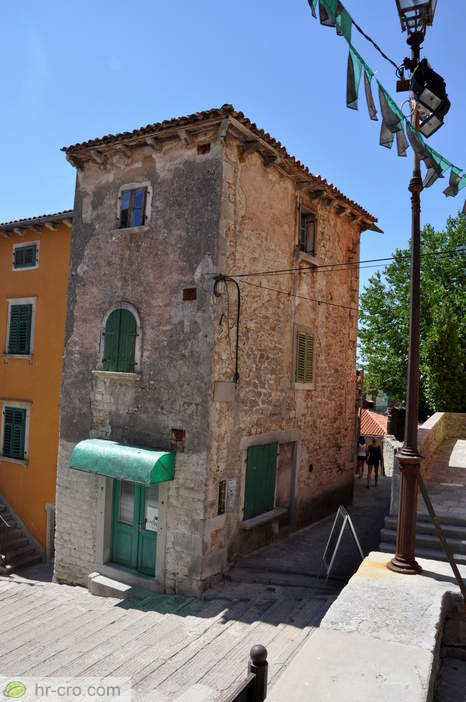
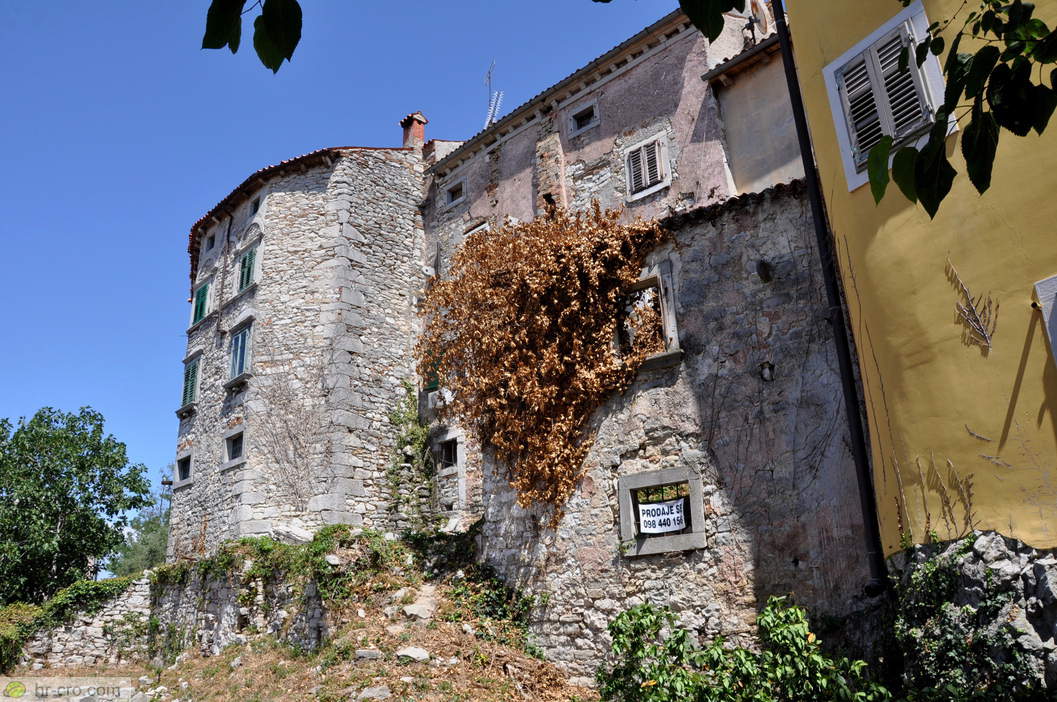
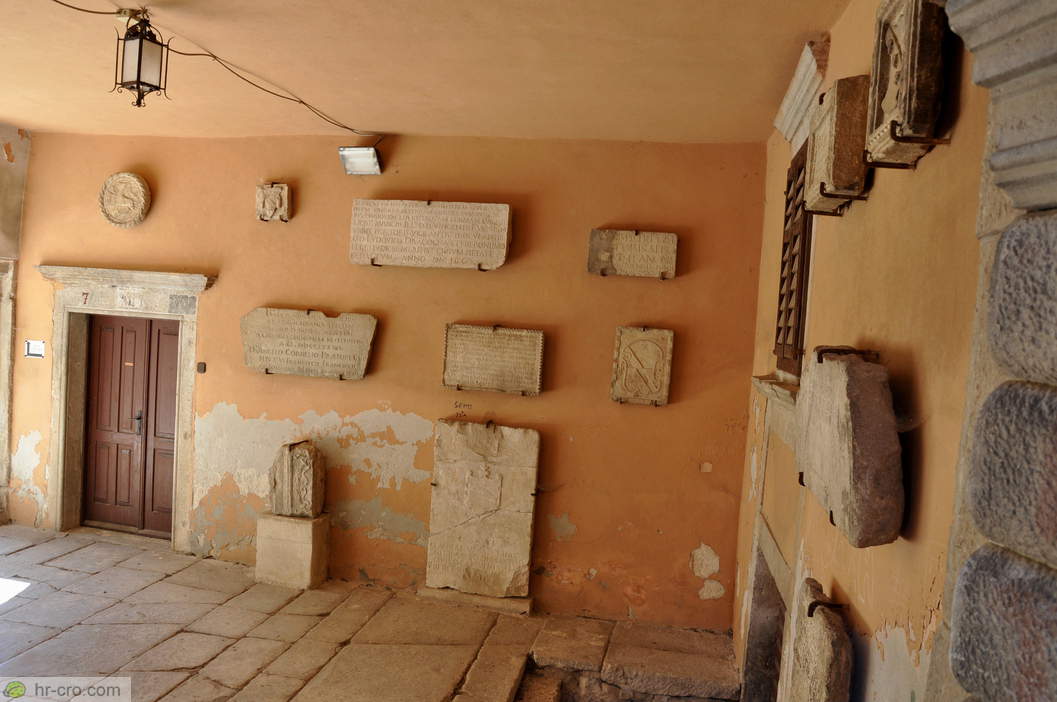
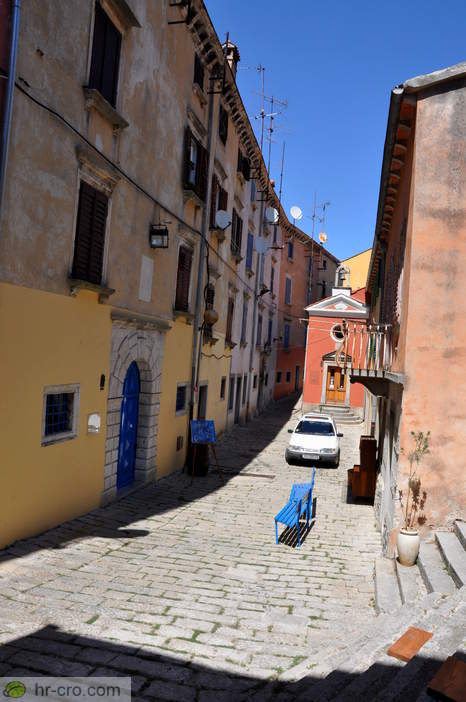
The name Albona recalls the area's ancient past. The town grew on earlier foundations, and its medieval network of narrow streets was later joined by Renaissance and Baroque houses, churches and palaces. Under Venetian rule, walls protected the hilltop, while noble families and town institutions gave it many of the façades still visible today. Labin cannot be understood as the work of a single period: beyond its stone portals are traces of defence, government, domestic life and worship.
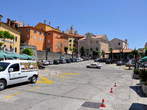
The open  Marshal Tito Square is an easy introduction to the old town. Here stand the
  town loggia, once a place for public announcements and gatherings, the
  St. Florus Gate and the round
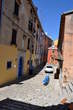
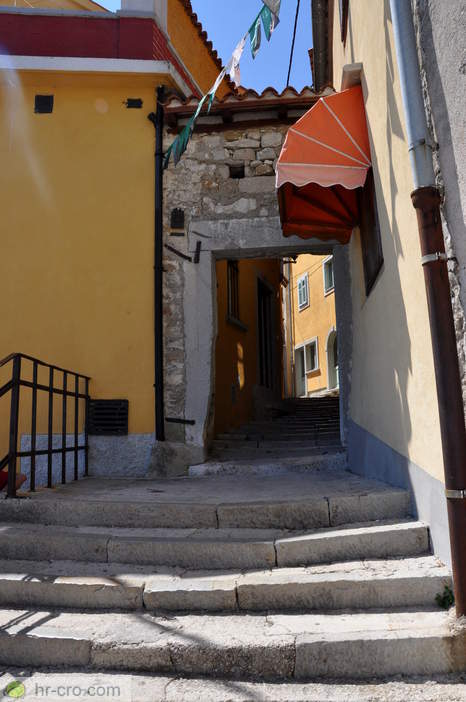
  Torjon Bastion. Passing through the gate changes the scale of the walk: the broad square gives way to tight streets, arches, steps and smaller squares. Near the former entrance stands the
  Podestà's Town Palace, a reminder of an earlier centre of authority within the walls.
In the upper part of the old town,  1 May Street links several important buildings. The
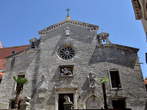
  Parish Church of the Nativity of the Blessed Virgin Mary has medieval origins and furnishings from later centuries. Nearby,
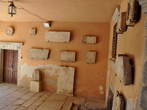
  Battiala-Lazzarini Palace now houses the National Museum; its Baroque façade and mining exhibit tell two different stories of the town. Across the street is the City Gallery, where a historic space serves contemporary art.
Another route follows  Giuseppina Martinuzzi Street past former noble houses.
  Franković-Vlačić Palace houses a memorial collection devoted to Matthias Flacius Illyricus, the 16th-century reformer and scholar born in Labin. The
  Little Old Theatre, converted from a municipal grain store, shows another change in the old town's use: a place for provisioning became a venue for performances. Labin is also a town of artists' studios and galleries, not just preserved walls.
Mining left a strong mark on the Labin area. Coal mines shaped work, settlements and economic development around the old town; the miners' strike of 1921 is associated with the Labin Republic. The museum in Battiala-Lazzarini Palace presents this history with a reconstruction of a mine tunnel. Podlabin grew as mining and urban life expanded, while the old hilltop centre retained a different, pre-industrial scale. In nearby Dubrova, a Sculpture Park arose on a former Franković family country estate in connection with the Mediterranean Sculpture Symposium; the wider Labin area thus has a distinct artistic dimension too.
A walk through Labin is well rounded off at the high edge of the old town. By the  Bell Tower of St. Justus and the
  Fortica Viewpoint, the view opens across rooftops, Podlabin, wooded slopes and the sea by Rabac. Only from here does it become clear how tightly the old town is built on the summit and how it relates to the much wider landscape below.
 HR-CRO - Croatia
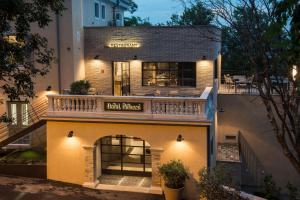 LabinHotel Peteani