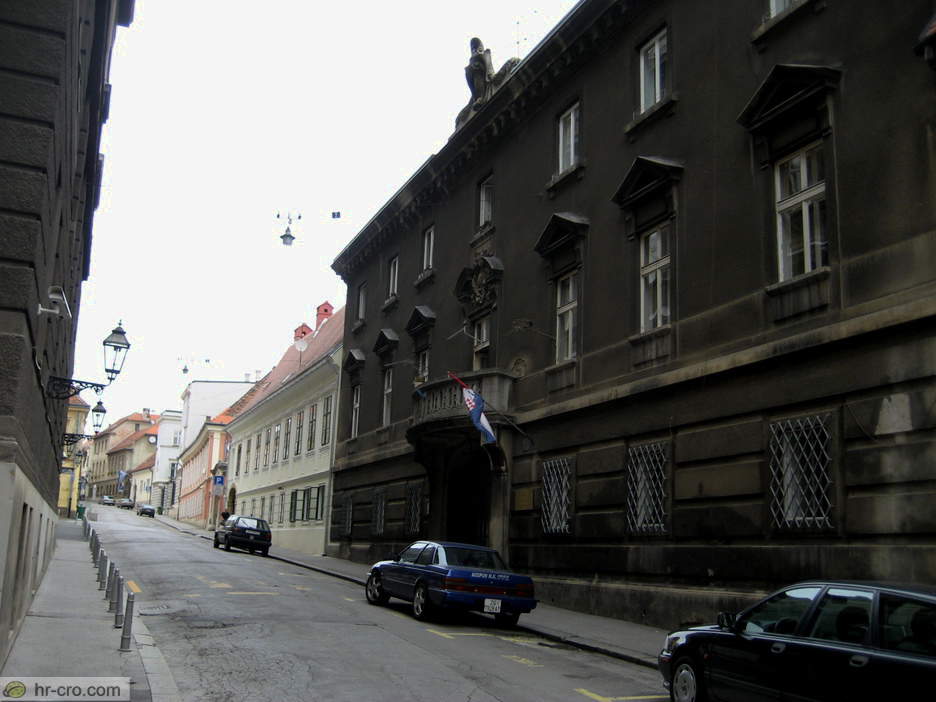
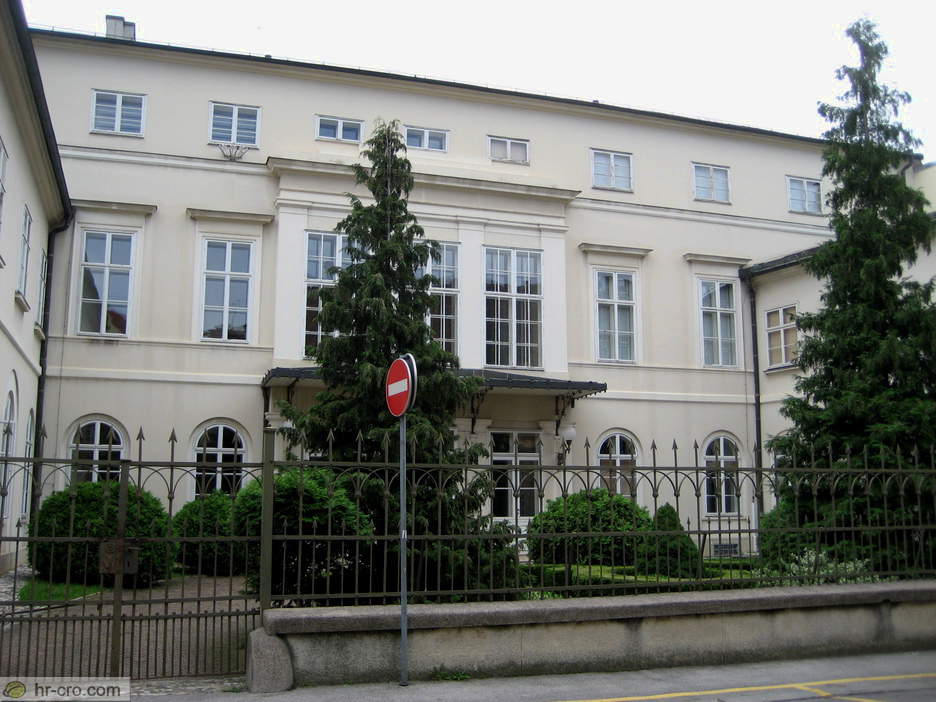
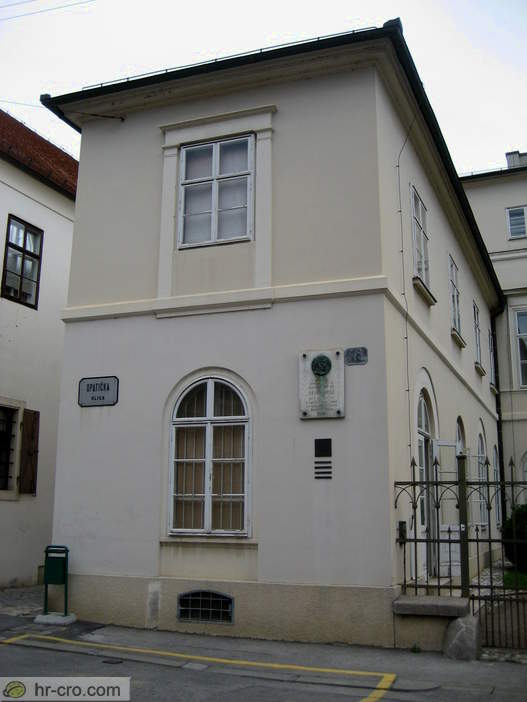
Opaticka Street is characterized by representative palaces that tell many stories about the rich history of Zagreb. The palace at Opaticka 10 dates back to the 19th century, when national consciousness awakened.
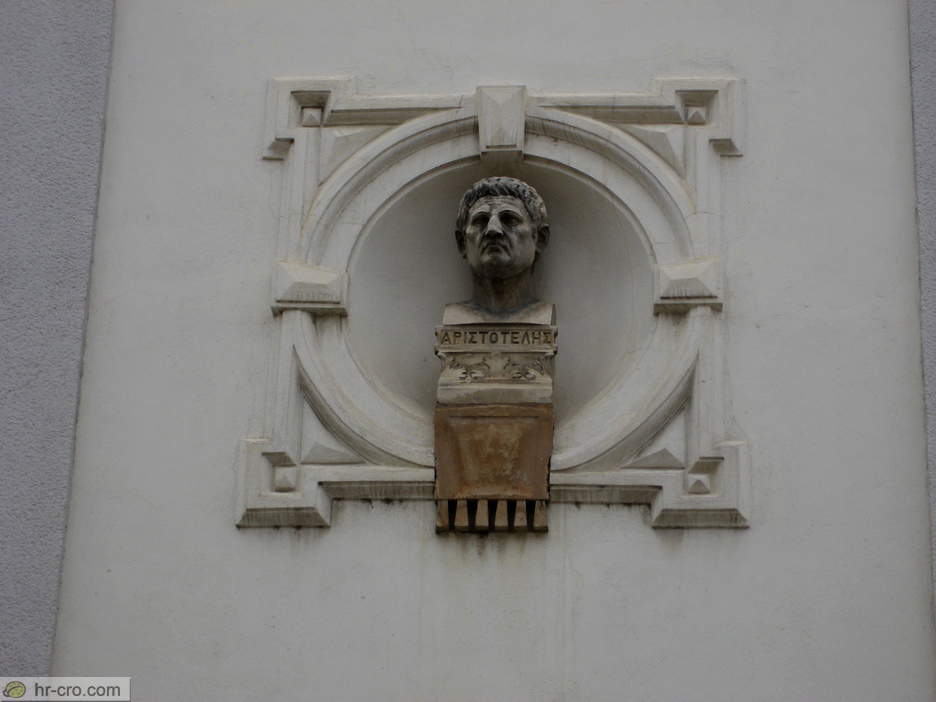
At that time, the building was renovated to meet the needs of the Department of Theology and Education. The magnificent entrance, with a cast iron fence and busts of Greek philosophers Plato and Aristotle above the entrance, announce the solemn atmosphere of the Golden Hall. The most prominent artists of the 19th and 20th centuries created the timeless beauty of Croatian culture. Among them are Vlahe Bukovec, Celestin Medovic, Oton Ivekovic and Robert Franges Mihanovic. Today, the palace is home to the Croatian Institute of History. At the address of Opaticka 18, the National House in the Upper Town was established in the early 19th century due to the increased demands for independance of Croatia. Count Draskovic's neoclassical palace became the National House and political meetings and social events (dances) were held in its main hall. The Museum of the City of Zagreb is located in the former renovated monastery of Saint Clare Abbey, after which Opaticka Street was named. The Clarices came to Zagreb in the 17th century at the invitation of Croatian nobles whose daughters entered their order. The nuns opened the first girl's school where they taught singing and music in addition to basic subjects.
The main facade of the monastery did not have the real windows, which could be a trend in construction, or a method of isolating nuns from daily life, as required by strict rules of order. The Zagreb City Museum has been located in these rooms since 1947. In a modern and fun way are presented events from the past, from prehistoric times to the present.
 HR-CRO - Croatia
 ZagrebHostel Bureau